

Corporate Overview
Introduction
Theme Note 2026 Highlights Message from the Chairman Message from the CEO & MD Message from the Whole-time Director & CFO Report Profile Outcreating for those we ServeLTM at a Glance
Who We Are Service Offerings Industries Verticals Geographical FootprintA Year Where We Outcreated
Key Performance Indicators Awards and RecognitionDelivering Value through Business Creativity
Business Model Operating Context Stakeholder Engagement Materiality Risk ManagementCase Studies
Outcreate, Responsibly
ESG Vision and Progress Environment Social GovernanceStatutory Reports
Management Discussion and Analysis Business Responsibility and Sustainability Report Board’s Report Corporate Governance Report Risk Management ReportFinancial Statements
Standalone ConsolidatedGlobal Presence and Notice
Global Presence Notice of the thirtieth AGM Social
Shared Value
Our Social pillar is anchored in the belief that business success and societal progress are mutually reinforcing. Through technology-led interventions, inclusive talent practices, and community partnerships, we Outcreate solutions that address real-world challenges. This enables us to create shared value for people, communities, and the ecosystems we operate in.
Direct Economic Value Generated
Direct Economic Value is the total income generated by a company, while Economic Value Distributed reflects how this income is allocated to stakeholders. LTM allocates resources to employees, vendors, the national exchequer, providers of equity and debt capital, and societal initiatives, ensuring operational excellence, stakeholder trust, and social responsibility for long-term growth.
Social Performance
0
Total no. of employees, comprising 87,950 permanent employees and 4,761 subcontractors0/0
Client satisfaction rate in FY260
Total no. of CSR beneficiaries0%
Total procurement from MSMEs in India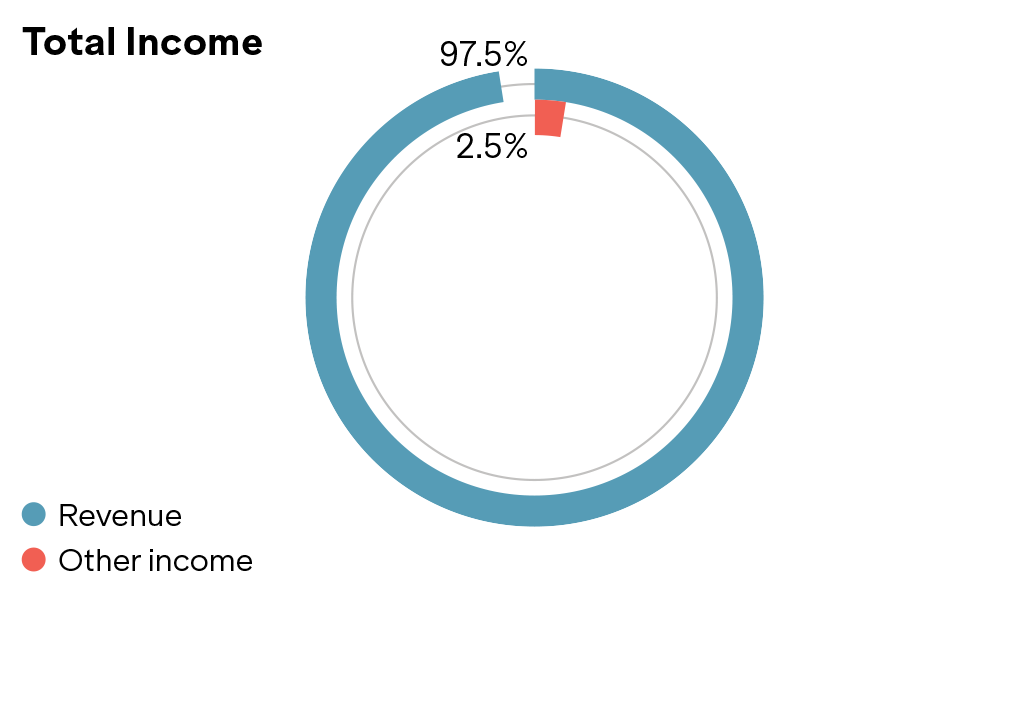
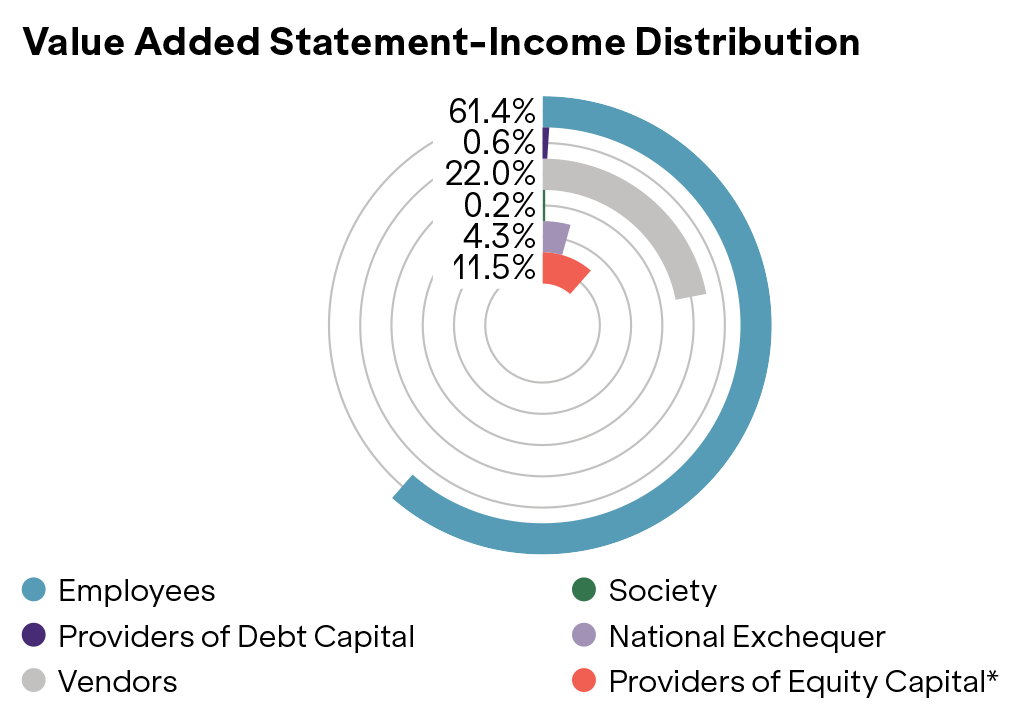
* For FY26, the company has retained a profit of INR 49,827 Million, which has been transferred to retained earnings. Out of retained earnings, a dividend of INR 19,911 Million has been paid to equity shareholders representing 4.6% of total income.
Our People
As we evolve into an AI-first, Business Creativity-led organization, we are building a workforce that is agile, inclusive, continuously learning, and equipped to navigate complexity to drive lasting impact. We are shaping a people ecosystem that not only strengthens business resilience but also enables our people, partners, and communities to outcreate new possibilities together.
Key Risks
- Resource Retention
- Resource Fulfilment
Material Issues
- Employee well-being and experience
- Diversity, Equity, and Inclusion


Chetana Patnaik Chief Human Resources Officer
 Our people strategy is anchored in
building a workforce that is future-ready,
resilient, and aligned to the evolving nature
of value creation in an AI-driven world. As
an AI-centric organization, our focus is on
integrating deep domain expertise with
intelligent systems — enabling our people
to contribute to Business Creativity and
help clients Outcreate in their markets.
This requires more than capability
building. We are reshaping how skills are
developed at scale, how roles evolve in an
AI-led environment, and how culture and
leadership enable agility, accountability,
and continuous learning. Through
sustained investments in talent, inclusive
practices, and capability architecture,
we are strengthening our ability to adapt,
innovate, and deliver differentiated
outcomes. In this transformation, our
people remain central — translating
possibilities into consistent, long-term
performance.
Our people strategy is anchored in
building a workforce that is future-ready,
resilient, and aligned to the evolving nature
of value creation in an AI-driven world. As
an AI-centric organization, our focus is on
integrating deep domain expertise with
intelligent systems — enabling our people
to contribute to Business Creativity and
help clients Outcreate in their markets.
This requires more than capability
building. We are reshaping how skills are
developed at scale, how roles evolve in an
AI-led environment, and how culture and
leadership enable agility, accountability,
and continuous learning. Through
sustained investments in talent, inclusive
practices, and capability architecture,
we are strengthening our ability to adapt,
innovate, and deliver differentiated
outcomes. In this transformation, our
people remain central — translating
possibilities into consistent, long-term
performance. 
Employee Value Proposition
Advancing Human Capital for Resilience, Innovation, and Sustainable Growth
In an increasingly fragmented and rapidly evolving global landscape, LTM recognizes talent as a critical pillar of organizational resilience, innovation, and business continuity. Our Employee Value Proposition (EVP) is designed to strengthen workforce capability while enabling agility tailored to local market contexts, ensuring the organization remains responsive to shifting client, technology, and geopolitical dynamics.
Anchored in a geo-focused talent strategy, LTM continues to build strong regional talent ecosystems while maintaining global standards of capability, culture, and performance. This approach enables proximity to customers, enhances delivery resilience, and supports sustainable growth across diverse operating environments.
Our EVP is structured around four strategic pillars:
 Talent-Growth Opportunities
 Rich Employee Experience
 A Compelling Brand
 People-centric Culture
Together, these pillars align our workforce priorities with long-term enterprise value creation.
0+
Freshers onboarded, 40% jump over FY25
Talent-Growth Opportunities: Enabling Future-ready and Distributed Capability
With around 88,000 employees, operations spanning 20+ industry sectors, 100+ technology domains, and 40+ countries, LTM’s talent strategy emphasizes owning business outcomes for its clients by helping them to not just outperform the market but to Outcreate it. Through localized hiring combined with global capability frameworks, we build critical skills aligned to emerging growth areas while strengthening regional talent pools, reducing concentration risk, and enhancing delivery continuity.
The ‘My Career My Growth’ framework provides transparent career pathways and supports seamless internal mobility across geographies and business units. Complementing this, continuous learning initiatives such as ‘Learn Grow Lead’ and structured Manager Development programs build leadership depth and prepare talent to operate effectively in distributed and hybrid delivery models.
This integrated approach enables workforce scalability while fostering innovation through diverse perspectives and contextual market insights.
Rich Employee Experience: Supporting Well-being, Productivity, and Retention
Recognizing that workforce resilience is closely linked to employee well-being, LTM continues to invest in programs that enhance engagement and long-term productivity. Recognition platforms such as the iWin Awards and Culture Recognition Awards reinforce performance excellence and shared values.
Holistic well-being initiatives address financial, physical, and emotional health through structured programs focused on financial planning, mental wellness, and health awareness. Digitized HR processes, competitive rewards, and inclusive workplace practices ensure consistent employee experiences, support employee retention, and provide the flexibility to address diverse local workforce needs.
People-centric Culture: Strengthening Engagement and Workforce Resilience
LTM continues to cultivate a performance-driven, inclusive culture that enables adaptability in a dynamic environment. Employee-friendly policies, leadership connect forums, and structured communication platforms reinforce trust and organizational alignment across geographies.
Culture integration initiatives, including values workshops, storytelling, and behavioral reinforcement, further strengthen a unified organizational identity while respecting regional diversity, supporting both stability and agility.
A Compelling Brand: Talent as a Catalyst for Innovation and Continuity
As a trusted technology and innovation partner to over 100 Fortune 500 organizations, LTM provides employees opportunities to Outcreate and contribute to largescale transformation programs by thinking disruptively, reframing industry problems, and owning outcomes through Business Creativity. Guided by our AI-first philosophy — “AI for Everything, Everything for AI, AI for Everyone” — we continue to embed innovation at the core of our operating model.
By combining global technological expertise with localized execution capability, LTM positions its workforce as a key driver of innovation, enabling clients to navigate uncertainty while ensuring operational continuity.
Human Capital Impact
Through continued investment in its EVP and geo-focused talent strategy, LTM aims to:
- Enhance organizational resilience through distributed and localized talent models
- Strengthen innovation through diverse, globally connected teams
- Improve engagement and retention of critical skills
- Build leadership depth and succession readiness across regions
- Support sustainable growth through an agile and future-ready workforce
LTM remains committed to evolving its people strategy to balance global integration with regional responsiveness, positioning talent as a long-term strategic advantage for shareholders, customers, and communities.
Talent Acquisition

Transforming Workforce Management and Talent Acquisition through AI-led Innovation
During FY26, we accelerated our transformation journey in Workforce Management (WFM) and Talent Acquisition (TA) through a comprehensive, AI-first approach. These efforts were designed to enhance speed, scale, accuracy, and experience across the talent value chain, enabling our organization to build a future-ready, high-performing workforce.
AI-enabled Demand Management and Internal Talent Mobility
Our demand management ecosystem underwent significant modernization during the year.
- AI-driven JD generation and automated demand capture workflows have reduced cycle times, improving accuracy in requirement scoping and enabling faster deployment for delivery teams
- The revamped AI-powered demand-supply matching engine now provides far more precise recommendations of internal talent based on skills, experience, and project context
- These enhancements form the bedrock of our transition toward a self-service Talent Marketplace, empowering associates to explore opportunities while improving fuillment predictability for business units
Reimagining Talent Acquisition with AI across the Lifecycle
We expanded AI adoption across the sourcing-to-joining continuum, ensuring consistent, efficient, and high-quality hiring experiences. Collectively, these initiatives have shifted Talent Acquisition (TA) into a data-intentional, insight-led function, strengthening predictability and operational efficiency.
AI was used in ways shown in the table below:
Advancing Speed, Scale, and Experience for Stakeholders
Across Workforce Management (WFM) and TA, our focus remains on maximizing recruiter productivity, improving stakeholder bandwidth, and delivering superior experience.

Key outcomes include:
- Faster turnaround cycles in demand creation, screening, and document processing
- Higher fulfilment accuracy through enhanced matching algorithms
- Improved candidate experience through AI-supported interactions and transparency
- Stronger internal mobility mechanisms, enabling agile workforce deployment
These advancements reflect our continued investment in the digitalization of talent processes and reinforce our commitment to building a scalable, adaptive, and futurefocused WFM and TA ecosystem.
By outcreating opportunities and solutions that scale impact, not complexity, we continue to enable meaningful progress for our people, our businesses, and the communities we support.
Diversity, Equity, and Inclusion (DEI)
Diversity, Equity, and Inclusion (DEI) remain a strategic priority at LTM, enabling equitable access to opportunities, enhancing employee experience, and strengthening organizational performance through a proactive, structured, and leadership-driven approach. Strong allyship from senior leadership, continues to anchor our DEI agenda and reinforces accountability across the organization.
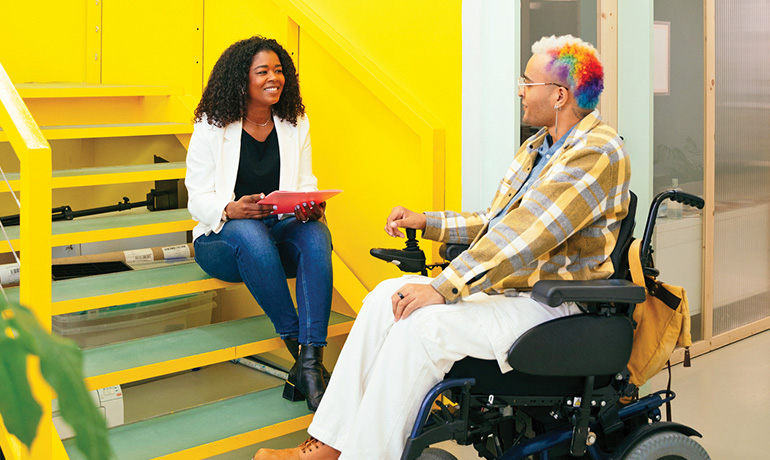
A dedicated DEI function drives this agenda across key dimensions, including gender, disability, neurodiversity, LGBTQ+, veterans, and ethnicity and nationality. The function is supported by a robust and comprehensive five-pillar framework encompassing Representation, Culture, Engagement and Belonging, Enablement, and Development.
Ensuring Representation and Fairness
Our representation efforts focus on equitable access to opportunities through targeted hiring initiatives for underrepresented talent, where skills, aptitude, and merit remain central to selection. Our talent strategy is anchored in a strong ‘Equal Opportunity Employer’ and non-discrimination framework that ensures fairness and consistency across all people’s practices. This foundation is complemented by an inclusive hiring approach designed to enable bias-free decision-making and drive diverse representation across roles, functions, and geographies. The Culture pillar prioritizes building an inclusive workplace through continuous education and sensitization programs delivered across levels, functions and geographies.
Fostering Belonging and Co-creation
We foster engagement and belonging through sustained, month-on-month interactions with employee communities and allies, together with observing key cultural and inclusion milestones. These efforts are complemented by leadership engagement and storytelling that amplify inclusive role modeling across the enterprise.
A dedicated DEI Council provides strategic direction, mentorship, and governance. Development initiatives such as coaching, mentoring, and reverse mentoring are tailored to address the evolving needs of diverse talent segments. This structured approach has enabled the creation of a scalable and sustainable inclusion ecosystem across business units and geographies.
LTM’s inclusive policies and infrastructure have been shaped directly by employee voices, reflecting a strong culture of co-creation. Employee Resource Groups (ERGs), including Athena (Women), Together with PRIDE (LGBTQ+ and Allies), and DiversAbility (Persons with Disabilities and Allies), serve as trusted platforms for insight, advocacy, and feedback, which inform key policy enhancements and targeted development programs along with the creation of safe spaces. This employee-led approach ensures relevance, responsiveness, and long-term impact.
Institutionalizing Inclusive Practices
Our inclusive policy framework includes flexible work arrangements and comprehensive, gender-neutral caregiver leave provisions for both primary and secondary caregivers. These policies extend to same-gender couples and transgender persons, enabling equitable access to parenthood and caregiving responsibilities. To better understand and address diverse needs across functions, we collaborate closely with business leaders and enabling units, including Talent Acquisition, Human Resources, Administration and Real Estate, and IT Enterprise. This has enabled several teams to champion DEI principles within their areas of responsibility.
DEI Metrics

Gender (Women)
30.87% Overall
09.53% Leadership

Veterans 0.12%

Person with Disability 0.18%

Ethnicity/Nationality 24.80%

LGBTQ+ 0.21%
DEI Initiatives in FY26
During the reporting year, our DEI initiatives were intentionally designed to move beyond awareness-led events and focus on embedding inclusive behaviors in order to strengthen leadership accountability and enhance everyday employee experiences. Through a combination of learning interventions, leadership advocacy, and community-led engagement, we continued to foster a culture where inclusion is experienced consistently across the employee lifecycle.
Accessibility and Disability Inclusion
Digital and workplace accessibility remained a key priority, reinforced through leadership commitment during Global Accessibility Awareness Day. HR and Talent Acquisition teams conducted focused learning campaigns and disability inclusion workshops to strengthen inclusive recruitment practices, reduce unconscious bias, and improve accessibility awareness at critical talent decision points.

Leadership Advocacy and Accountability
Leadership advocacy was institutionalized through monthly and quarterly DEI updates with senior leaders, creating regular forums for dialogue, learning, reflection, and accountability. Structured engagements with newly onboarded executives ensured early alignment with our DEI commitments, enabling leaders to actively role-model inclusive leadership behaviors from the outset.

LGBTQ+ Inclusion and Allyship
Engagements during the International Pride Month helped deepen understanding and allyship through leadership inclusion notes, curated conversations with external experts and community voices. This complemented ongoing employee engagement through weekly learning quizzes and policy awareness briefs. Apart from encouraging inclusive conversations, these initiatives strengthened psychological safety for LGBTQ+ employees and allies.
Gender Inclusion and Men’s Engagement
Initiatives on International Men’s Day engaged men and leaders through ‘He Inspires’ fireside chat with business leaders. Together with a recognition campaign and open conversations on men’s mental health and well-being, these efforts highlighted vulnerability, empathy, and inclusive leadership behaviors. Similarly, International Women’s Day initiatives led to focused conversations, leadership engagement, and recognition moments that celebrated women’s contributions while reinforcing allyship, equity, and shared responsibility.
Disability Inclusion and Community Engagement
International Day of Persons with Disabilities was leveraged to drive deeper engagement through leadership panel discussions, community interactions, and Employee Resource Group-led dialogues. The Purple Light campaign served as a visible symbol of commitment, reinforcing accessibility and inclusion as shared organizational responsibilities.
Supplier Diversity
Our supplier diversity efforts continue to grow, with integration into procurement processes through quarterly tracking of diverse supplier spend and close collaboration with the procurement team. These actions support the inclusion of diverse-owned businesses and reinforce our commitment to advancing inclusive growth beyond the organization.
Knowledge Repository and Resources
Our commitment to DEI is anchored in a robust Equal Opportunity Policy, complemented by a comprehensive gender-neutral policy framework, ensuring fair, consistent, and inclusive people practices across the organization.
To enable this, we have established a centralized DEI knowledge repository, comprising the official DEI website, Ultima Engage, an internal microsite, and curated learning materials, which provides employees easy access to information, updates and ongoing engagement.
We have also developed practical guidebooks such as a Disability Etiquette Guidebook (Do’s & Don’ts), A Guide to LGBTQ+ Inclusion and Gender Inclusive Language Guidebook. These inform and encourage employees to adopt inclusive behaviors, foster respectful interactions, and create a more informed and inclusive workplace culture.
Awards and Recognitions
LTM – Diversity, Equity and Inclusion Awards FY26
Award
DEI 100 – India’s first
structured DEI index
Award Category
LTM featured in DEI100, India’s first structured DEI index curated by Team Marksmen Network, with EY as the process partner
India Workplace Equity Index Awards 2025 (IWEI)
Top Employer in Silver category for LGBTQ+ Inclusion efforts
Best Companies for Women in India (BCWI)
Best IT Companies for Women in India by Avtar & Seramount
Brandon Hall HCM Excellence Awards 2025
Best Leadership Development for Women (Silver)
Financial Express HR Awards 2025
Gold at Excellence in Diversity and Inclusion Category


LTM is advancing its DEI approach beyond compliance to drive deeper, systemic inclusion, anchored in strong policies and leadership commitment. Key priorities include expanding gender inclusion beyond binary constructs with shared ownership, strengthening intergenerational inclusion aligned to Gen Y and Gen Z expectations, and deepening engagement with neurodiverse talent through more responsive workplace practices. As a global organization, LTM is also enhancing regional representation and extending impact through stronger collaboration with ERGs and community partners, reinforcing its commitment to ‘Inclusion by Design. Equity by Intention’.
Employee Engagement
At LTM, employee engagement is not a standalone initiative, but a strategic priority embedded in our people philosophy. Our engagement framework, Rhythm, blends productivity, motivation, and personal fulfilment, reflecting the Power of One. By prioritizing service delivery alongside sustained morale, momentum, and connectedness, Rhythm enables an environment where every interaction contributes to a thriving and cohesive workplace.
The core objective of Rhythm is to embed engagement into the everyday employee experience, rather than treating it as a periodic intervention. The framework supports three critical outcomes:
- Sustained associate energy and participation, enabling consistent service delivery
- Stronger organizational connectedness, particularly across locations and functions
- Higher accountability and adherence, driven by a sense of ownership and inclusion

Working on Rhythm
Built on four pillars — Connect, Collaborate, Learn, and Grow — LTM’s engagement framework is aligned to key stages of the employee lifecycle, ensuring a balanced, holistic, and outcome-driven approach beyond celebratory initiatives. Connect strengthens relationships through leader connects, town halls, and shared cultural moments, while Collaborate drives cross-team synergy through shared platforms that enable teams to work and solve together.
Learn focuses on continuous capability building through initiatives such as tech and AI conclaves and knowledge exchanges, fostering curiosity and future-ready thinking. Grow supports both professional and personal development through recognition, well-being initiatives, and milestone celebrations. Together, these pillars strengthen mindset, skillset, and emotional connection, creating a more resilient and engaged workforce.
Rhythm as an Experience Ecosystem
In FY26, Rhythm delivered a diverse set of purpose-led engagement initiatives across the year. Palettes (Q1) fostered creativity and self-expression, Stepathon (Q2) linked wellbeing with social impact by contributing 400,000 meals across eastern India, Symphony (Q3) brought ‘Act With Compassion’ to life through a global NGO Mela across 25 countries, and Let’s Outcreate Together (Q4) aligned employees with LTM’s renewed Business Creativity narrative. These initiatives significantly increased employee participation and workplace engagement.
This ecosystem was complemented by platforms such as the LTM Models Podcast, amplifying employee voices and shared learning, and VIBE, the culture magazine celebrating achievements and reinforcing belonging. AI-enabled tools, including RAIma, further enhanced real-time communication, accessibility, and employee engagement across the life cycle.
How Rhythm Spurred Employee Engagement
85%
Average weekly adherence of LTM associates since November 2025
76%
Reduction in consistent defaulters compared to FY25
31%
Increase in average peak footfall in office
33%
Increase in average footfall in office since November 2025
3%
Drifter population (offshore associates swiping outside base location) vs 8% in FY25
Wellness
At LTM, Total Well-being is a core strategic pillar embedded in the organization’s culture, delivered through a multi-dimensional approach that integrates technology, inclusivity, and measurable impact. The strategy is anchored in four pillars — Physical, Emotional, Financial, and Social Well-being — ensuring comprehensive, scalable, and personalized support for diverse employee needs. Delivery is enabled through hybrid models combining virtual and in-person sessions, along with gamified initiatives such as Stepathon, driving engagement across geographies.
Digital health platforms further enhance this ecosystem by providing real-time health tracking, 24/7 access to healthcare professionals, and personalized care plans. A continuous listening approach, supported by regular feedback and industry insights, informs program design and refinement, while inclusive interventions such as Men’s Health: Breaking the Stigma, Spectrum of Pride, and disability-focused workshops reinforce psychological safety and a strong sense of belonging. Signature initiatives like the Inner Healing Series deepen impact by integrating psychology and spirituality, enabling employees to build resilience, enhance self-awareness, and improve emotional well-being through practices such as mindfulness and neuro-linguistic techniques.
Looking ahead, LTM is advancing a future-ready wellbeing roadmap that combines AI, engagement, and preventive care. Planned initiatives include AI-powered mental health solutions offering personalized microinterventions through CBT-based conversational support, mood tracking, and integration with enterprise platforms for seamless access. Gamified well-being challenges will continue to strengthen participation and social connection through initiatives such as Stepathon and creative engagement formats, supported by leaderboards and rewards. Proactive health interventions, including diagnostic screening camps and continuous feedback mechanisms, aim to enable early risk detection and prevention. Collectively, these efforts position wellbeing as a core business driver, enhancing engagement, belonging, and productivity while strengthening organizational resilience and building a futureready workforce.


Career Learning
Learn Grow Lead (LGL)
The Learn Grow Lead (LGL) framework continues to serve as LTM’s enterprise-wide capability development engine, delivering structured, scalable, and competencyaligned learning across four levels — iAchieve, iAchieve Plus, iLead, and iLead Plus. In FY26, enhanced design and deeper alignment of the programs to required competencies, led to richer learning experiences through a combination of self-paced modules, facilitator-led sessions, leader-led webinars, and real-world application. With over 3,500 participants and NPS scores ranging from 74% to 87%, the LGL journeys played a pivotal role in building foundational behaviors, role readiness, and leadership capability, reinforcing LTM’s commitment to building a future-ready, high-performing, and values-driven workforce.
Program Performance Summary FY26
77%
iAchieve Level 1
78%
iLead Level 3
74%
iAchieve Plus Level 2
87%
iLead Plus Level 4
MPower
In FY26, MPower, LTM’s flagship Management Development Program for first-line people managers, continued to drive measurable improvements in managerial effectiveness and business outcomes. It provides a structured and practical approach to building managerial effectiveness, with measurable impact on productivity, team engagement, delivery timelines, and business metrics.
With several batches having completed or in progress across Mumbai, Pune, Noida, Chennai, and Hyderabad, the program delivered strong impact, enabling managers to enhance delegation, strengthen team engagement, improve delivery timelines, and influence key business metrics such as BU fulfilment and retention.
Program Outcomes in FY26
74%
Average NPS
4.3/5
Manager feedback
76%
Average CSAT score
9/10
Participant journey rating

Coverage Summary FY26
Number of Batches
 Mumbai (3), Pune (4)
142 participants
Status: Completed
Noida
65 participants
Status: In Progress
Chennai, Hyderabad
120 participants
Status: Planned
Talent Framework 3.0
LTM’s approach to building a robust talent pipeline is anchored in Talent Framework 3.0, focused on enhancing workforce agility, capability, and scalability. Proactive reskilling remains central, with over 50% of associates reskilled in FY26 to align talent with evolving business demands.
This is complemented by demand-supply optimization to improve talent deployment, supported by learning interventions that increased internal staffing to 19% in Q3 FY26 from 5% in FY25. Precision skill mapping ensures alignment of domain expertise with business needs, while data-driven learning enables personalized upskilling by identifying contextual skill gaps, strengthening overall workforce readiness.
Succession Planning
Succession planning plays a vital role in strengthening leadership continuity and sustaining long-term organizational success. Our approach is anchored in a clear, future-focused framework that enables the organization to proactively build leadership readiness across leadership roles.
Our succession planning framework is designed to do the following:
- Identify business critical roles that are essential for continuity, growth, and stakeholder confidence
- Discover internal talent through structured, objective, and future-oriented developmental tools
- Build a strong leadership pipeline by enabling individualized development journeys and sustained and continuous engagement
- Strengthen readiness across timelines, supporting both near-term transitions and long-term leadership needs
By integrating role criticality, talent potential, and development focus, the framework enables seamless leadership transitions and reinforces our commitment to nurturing leaders who consistently Outcreate through the way they think, lead, and deliver impact.
Shoshin School
As technology evolves with cloud, AI, and ML, LTM is transforming its talent model to build a multi-skilled, agile workforce. Its enterprise-wide learning strategy, anchored by the Shoshin School, focuses on developing future-ready capabilities while embedding organizational values. A holistic approach integrates structured learning journeys, role-based career pathways, job rotations, and progression opportunities, making development accessible across all levels — from campus hires trained across 40+ domains through a 90-day program to experienced professionals.
This is supported by a robust competency taxonomy enabling role- and skill-based transitions into emerging domains and a digital learning platform offering 35,000+ courses across 3,100+ skills through flexible, multi-format delivery. Structured learning pathways and mandated learning credits reinforce continuous development, while initiatives like Learning Promenade promote knowledge sharing. Together, these efforts align talent development with business priorities and foster a culture of continuous learning, curiosity, and growth.
Learning Outcomes and Impact
Average Learning
Duration (in hours)
104.11
FY26
79.28
FY25
Average Learning
Duration (in days)
13.01
FY26
9.91
FY25
Leadership Development
iInspire
At LTM, we foster leadership excellence through the iInspire program, particularly for our talented women associates. iInspire, a global, nomination-based leadership development initiative, is designed to accelerate leadership journeys through immersive experiences that enhance functional knowledge, facilitate peer learning, and offer exposure to business concepts, mentoring, and networking opportunities. In collaboration with premier institutions, this transformative program promotes self-exploration, career ownership, and business impact through targeted interventions.
The Q4FY26 cohort, themed ‘Leading Beyond Boundaries’, is designed to equip high-performing women leaders with the vision, capabilities, and confidence to transcend perceived and systemic limitations, lead with authenticity, and drive meaningful business and organizational impact.
Leadership Labs
Launched in November 2025, Leadership Labs is LTM’s leadership development ecosystem focused on building future-ready leaders from within. It enables leaders to reflect, deepen self-awareness, and accelerate impact through personalized assessments, feedback, and development journeys.
By strengthening internal leadership capability, Leadership Labs supports sustained growth and competitiveness, developing leaders who can operate with agility, empathy, and purpose.
Sales Enablement
The Sales Enablement Journey, launched in Q3 FY26, is a strategic initiative to strengthen seller capabilities within the Farmer track of the Global Sales Organization, aligned with the Sales Transformation Framework. Delivered with Richardson, it focuses on applying consultative selling skills in live deals to enhance expertise, velocity, and collaboration.
Two six-month pilot cohorts were launched in December 2025 across the US and UK through a nomination-based model. The program equips Account Managers and Client Partners with advanced account strategy and opportunity pursuit capabilities, enabling deeper CXO engagement and sharper value propositions, while building a futureready sales force.
Next-gen Project Manager Leadership Program
Next-gen Project Manager Leadership Program was launched in Q3FY26 at Mensa Campus, Mumbai. This six-month initiative aims to transform mid-senior Project Managers into strategic leaders capable of managing LTM’s most complex, business-critical projects.
Delivered in partnership with SDA Bocconi, the program will focus on strengthening our leadership pipeline by building capabilities and advanced skills in strategic execution, innovation, and cross-functional collaboration. Through a blend of academic rigor and real-world application, it equips leaders to drive high-impact outcomes, embrace innovation, navigate complexity, and translate strategic vision into measurable results.
Leadership Odyssey
Launched in April 2025, Leadership Odyssey is a strategic OD intervention engaging LTM’s top 50 leaders to build stronger leadership alignment, shared identity, and collective commitment. Through a series of sessions, leaders co-created values and leadership promises that guide how they engage with teams, clients, and one another.
The program reinforced two critical dimensions — collective identity, shifting focus from individual achievement to shared purpose and culture, and constructive feedback, strengthening the ability to give and receive feedback with authenticity and positive intent. Building on this, Reflective Lens was introduced as a structured reflection and feedback process, enabling leaders to combine self-reflection with multi-source perspectives and translate insights into sustained leadership behaviors and impact.
Our Culture of Rewards and Recognition

LTM’s culture of appreciation and inclusion is reinforced through iWin, its global Rewards and Recognition program that celebrates individual and team contributions. iWin embeds recognition into everyday experiences through real-time, digital and peer-based appreciation, strengthening collaboration, trust, and values-driven behaviors. Personalized, AI-enabled rewards and value-based badges enhance relevance and reinforce alignment with organizational principles, while a multi-tier structure ensures comprehensive recognition across roles and impact.
The program is supported by a data-driven governance model that monitors effectiveness, fairness, and frequency, enabling continuous refinement and strengthening of recognition practices across the organization.
Please refer to the People section in the MDA on p.200 for more detailsThe program ecosystem is divided into four broad award categories:

Spontaneous Awards For instant appreciation, including Instant Gratification Badges, Hi-Five, and Super Crew Awards
Star Awards (Quarterly for individuals) For recognizing excellence and value-driven behaviors
Squad Awards (Quarterly for Teams – Verticals and Practices only) For celebrating innovation, client impact, and operational excellence
Milestone Awards For tenure-based service recognitions
Corporate Social Responsibility
LTM’s CSR efforts are driven by the commitment to promote sustainable, holistic development through a blend of targeted projects and the comprehensive Integrated Village Development Program. By prioritizing education, environmental restoration, and healthcare, we aim to empower underserved communities and bridge the digital divide through innovative technology-led learning. This approach focuses on creating long-term, scalable impact that fosters self-reliance and resilience across India’s rural and aspirational landscapes.
Material Issues
- Community Development
Key Risk
- ESG


CSR Impact
Note: The focus areas of CSR are categorized as follows:
- Linear Projects covering traditional CSR initiatives:
Under Linear Projects, we have newly launched theTech4Future Program, which covers the Digitalization/STEM interventions specifically - Integrated Village Development Program (IVDP):
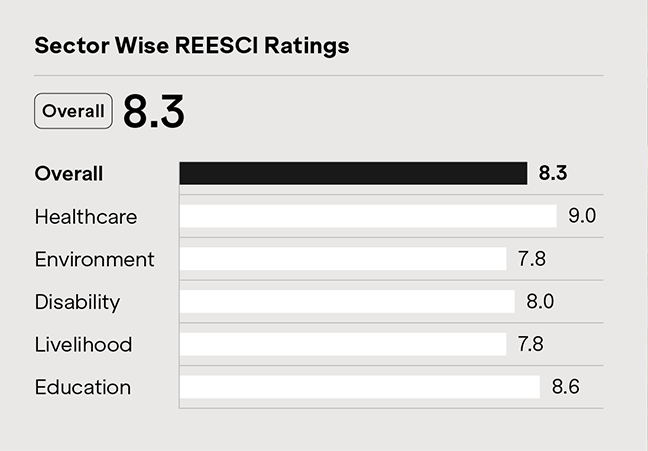
IVDP is categorized under Community Development, i.e. a comprehensive CSR initiative covering all the focus areas such as education, environment, empowerment and health/nutrition and addressing long-term sustainability of program initiatives.
CSR Core Pillars
- Continue to build the strong community presence to reach the ESG vision of a 4M beneficiary impact
- Strengthen Digital Education portfolio through strategic partnerships with non-profit and Government bodies
- 82 Digital Inclusion Centres being setup impacting 25,000+ children across the country
- Focus on proximity to LTM Offices to enahnce leadership & employee engagement
- Programs in Education, Empowerement, Environment, Health & Nutrition
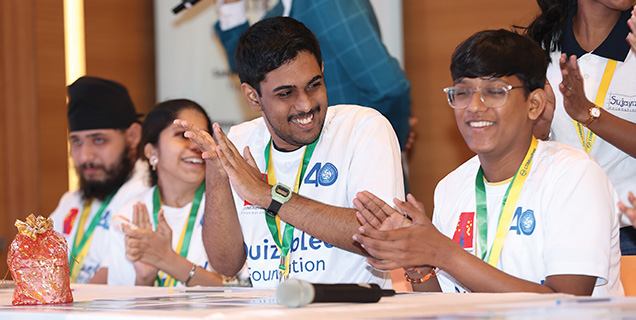
- National Level Quiz competition for Mentally Challenged students reaching out to 3,000 students
- Focus on proximity to LTM Offices to enhance leadership and employee engagement
FY26 Outcomes
Environmental Performance
715
Total villages covered96,688 KL
Water storage potential created992,626
Agroforestry trees1,199,584
Total population covered20,696
Total patients benefited through health camps1,892,160
Mangroves82
Digital Inclusion Centers set up62
Number of watershed structures created1,378 ha
Area752,836
Total children reached through education initiatives5,010
Total youth trained2,978
Total number of Nutrition Gardens set up
561 
Solar streetlights
INR 11,000 -INR 21,000
Salary range2,349
Total number of farmers benefited through regenerative agriculture trainings
37 schools
School solar
electrification
INR 19,000
Average salary140
SHGs formed/ strengthened
84,464 W
Total potential created
2,884,786
Plantations under maintenance Community InfrastructureLinear Projects
Focus Area
Education
NGOs
Pratham Infotech Foundation, Muskaan Dreams, Learning Links Foundation, Ennoble Social Innovation Foundation, Hope Foundation
States
MH, UK, HP, UP, RJ, MP, SK, GJ, KA, TN, OD, TS
Aspirational Districts
14
Beneficiaries
514,490
Output/Outcome Achieved
School students have shown marked improvement in their abilities as well as in school attendance
SDG Goal
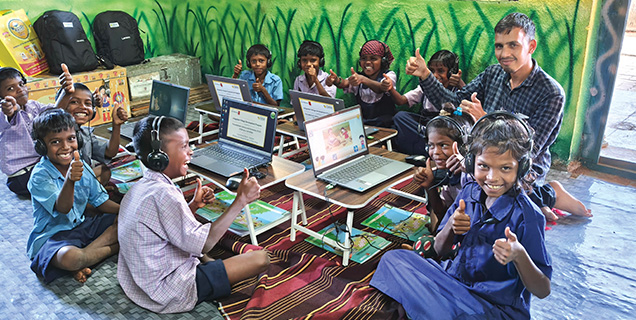
We empower students from underprivileged and government schools through STEM and robotics education, delivered via experiential, hands-on learning models such as workshops, lab sessions and mobile science labs. By integrating digital infrastructure, virtual classrooms and ICT training, we enhance access, improve engagement and equip both students and teachers with essential digital skills, helping bridge the digital divide.
Through our Tech4Future initiative, we are establishing 82 STEM and digital labs across Tier II cities, reaching over 25,000 learners with exposure to emerging areas such as AI/ML, cybersecurity and financial education. Together, these efforts aim to strengthen critical thinking, creativity and problem-solving, while inspiring students to pursue STEM pathways.
Focus Area
Empowerment and Education
NGOs
Friends Union for Energizing Lives
States
MH
Beneficiaries
35
Output/Outcome Achieved
Boosted students’ confidence and participation, enabling many to emerge as role models within their communities; supported girls and first-generation learners in overcoming social and economic barriers; aligned education with industry-relevant skills to enhance employability and career readiness
SDG Goal
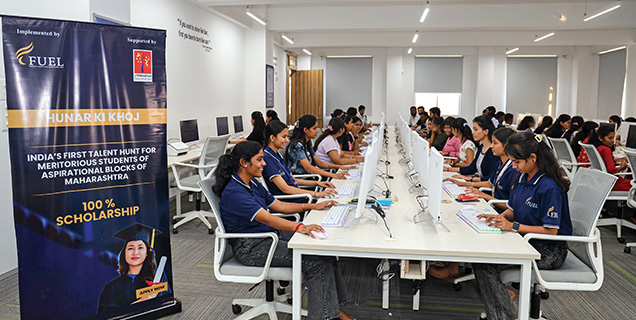
Through our partnership with FUEL, we support 35 economically disadvantaged students who are pursuing higher education through a structured graduate training program, enabling access to recognized degree courses such as BBA and PGDM. The program combines academic support with industry-aligned skilling, mentorship, career counseling, internships, and placement opportunities to enhance employability and livelihoods. Implemented across underserved communities in collaboration with NGOs and colleges, the initiative places a strong focus on encouraging young women and first-generation learners. By aligning education with evolving workforce needs, it addresses the growing demand for industry-ready skills among India’s youth.
Focus Area
Empowerment
NGOs
Centurion University of Technology and Management, Head Held High Foundation
States
OD, AS, WB, KA
Aspirational Districts
3
Beneficiaries
21,306
Output/Outcome Achieved
Vocational training enabled 80% of marginalized individuals to become self-employed, earning an average monthly income of H13,000, while communities were supported with tools for education and livelihood enhancement
SDG Goal
In partnership with CUTM and Head Held High Foundation, we implement a market-linked skilling program for rural and marginalized youth across Odisha, Assam, and West Bengal. In FY26, the initiative targeted training 800 youth in demand-driven trades, supported by soft skills, certification, and structured placement assistance. Adopting an end-to-end livelihood approach, from mobilization and residential training to postplacement handholding, the program aimed to create sustainable livelihoods and drive equitable, long-term community impact.
Focus Area
Empowerment
NGOs
Centurion University, Masonic & Heritage Building Trust, Anchalik Jankalyan Anusthan (AJKA)
States
Odisha, Karnataka, West Bengal
Aspirational Districts
1
Beneficiaries
NA
Output/Outcome Achieved
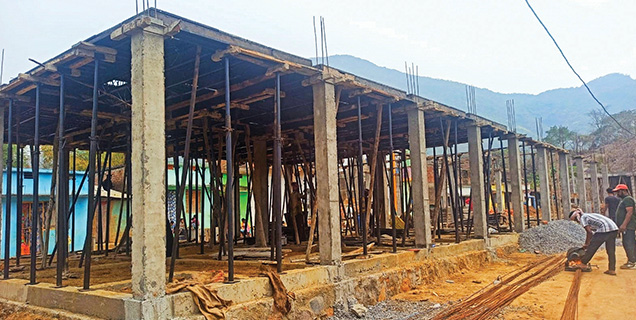
Provided sustainable housing with shared amenities for BPL tribal communities; established a 10-bed charitable dialysis center for underserved populations, and upgraded infrastructure at Champagachi High School in Kolkata
SDG Goal
In Gajapati district (Parlakhemundi), Odisha, where BPL tribal households live in fragile homes vulnerable to cyclones, we are constructing 51 durable houses across two villages. To improve healthcare access, we are supporting a 10-bed charitable dialysis center in Boyelahalli near Bengaluru in partnership with Masonic & Heritage Building Trust. In Kolkata, infrastructure upgrades at Champagachi High School, implemented with AJKA in FY26, include improved sanitation, RO drinking water, a cycle stand, and playground development. These efforts are aimed to strengthen living conditions, healthcare access, and the quality of educational infrastructure.
Focus Area
Health & Education
NGOs
Rotary Club of Madras East (RCME) | Narayana Hrudayalaya Charitable Trust (NHCT) | Seva in Action
States
Pan India
Beneficiaries
719 (RCME: 607 | NHCT:112)
Output/Outcome Achieved
People with disabilities benefited through healthcare and education
SDG Goal
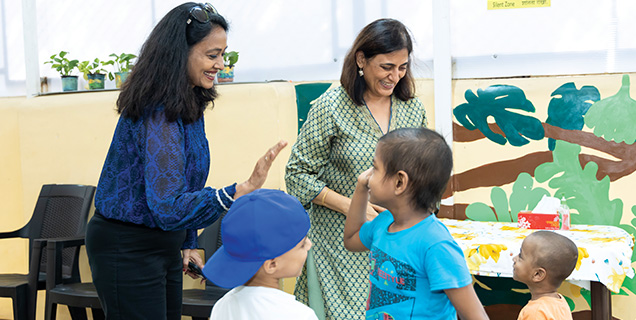
We empower persons with disabilities to lead healthy, educated, and self-determined lives through inclusive healthcare and transformative education. Our targeted interventions improve the management of chronic conditions, enhance well-being, and enable fuller participation in family, community, and economic life.
Through accessible learning, we build confidence and open pathways to lifelong opportunity, fostering genuine inclusion where individuals are valued and visible contributors. The resilience and determination of participants reflect this transformation since they not only participate more fully but also excel, lead, and inspire lasting change within their communities.
Focus Area
Health & Nutrition
NGOs
Access Life Assistance Foundation
States
MH
Beneficiaries
112
Output/Outcome Achieved
A total of 112 individuals, including children affected by cancer and their dedicated caretakers, have benefited, receiving much-needed support, care, and resources
SDG Goal
Through the Cancer Access Support project, we provide comprehensive, end-to-end support to underprivileged children undergoing cancer treatment and their caregivers, including free accommodation, nutritious meals, transportation to medical and specialized treatment facilities, counseling, and education support. The initiative addresses the physical, emotional, and financial challenges of treatment by ensuring safe and stable living conditions, tailored nutrition, reliable access to care, and professional psychosocial support for both children and caregivers. Through this compassionate and holistic support ecosystem, the program helps ease the treatment journey, build emotional resilience, and improve overall well-being and quality of life.
Focus Area
Animal Welfare
NGOs
Prayas Trust
States
Maharashtra
Output/Outcome Achieved
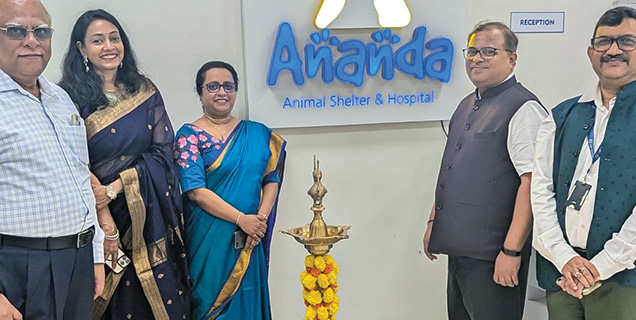
Construction completed
SDG Goal
We have created a dedicated sanctuary for old and disabled street dogs, ensuring access to medical treatment, safe shelter, and a dignified living environment. The facility includes a 410 sq m hospital equipped with roadside treatment services, SOS and ambulance support, OPD care, and hospitalization capacity for around 25 dogs. It also features an 801 sq m shelter housing about 120 dogs, with provision for expansion, along with a 1,030 sq m open play area that offers a safe, shaded space for movement and well-being.
Focus Area
Environment
NGOs
Anchalik Jana Kalyan Anusthan
States
OD
Beneficiaries
10,955
Output/Outcome Achieved
10,955 people benefited | 50 acres of area planted/maintained | 150,000+ saplings were planted/maintained
SDG Goal
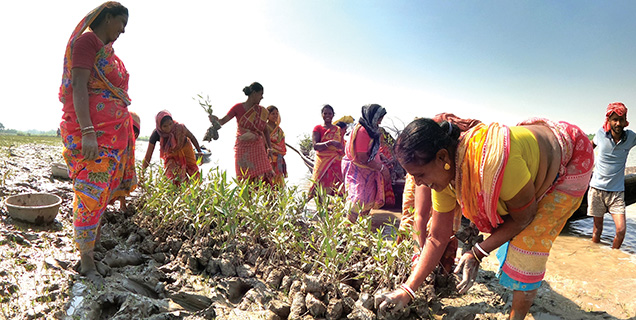
The Mangroves initiative focuses on protecting and restoring coastal ecosystems in Kendrapada, Odisha, by promoting plantations and creating incentives for local communities to safeguard these vital habitats. Recognizing their role in blue carbon sequestration and as natural barriers against erosion, storm surges, and sea-level rise, the project enhances climate resilience for vulnerable coastal populations. By preserving and restoring mangroves, the project contributes to climate change mitigation through significant carbon capture and storage, helping offset emissions. Through community engagement, awareness, and capacity building, the initiative fosters sustainable practices and local ownership, ensuring long-term conservation and ecological sustainability.
Focus Area
Environment
NGOs
Dilasa Janvikas Pratishthan, Being Volunteer Foundation, and Shop for Change Fair Trade, Saytrees, Anchalik Jana Kalyan Anusthan, Mahashakti Foundation
States
MH, KA, TS, MH, OD, WB
Aspirational Districts
2
Beneficiaries
6,729
Output/Outcome Achieved
The benefited 6,729 people, with 3,86,448 saplings maintained across 1,341 acres, resulting in an estimated removal of 1,673 tCO₂e emissions in FY26
SDG Goal
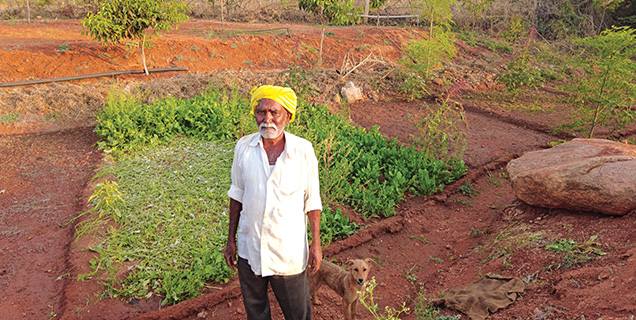
The Tree-tings initiative promotes sustainable agriculture by integrating trees into farmlands and encouraging chemical-free practices to enhance farmer incomes, restore ecosystems, and support carbon sequestration. Rather than new plantations, the focus is on maintaining and strengthening 386,448 existing saplings through structured support and partnerships with NGOs to ensure survival and long-term impact. By advancing agroforestry, the initiative improves soil fertility, water retention, biodiversity, and climate resilience, while reducing dependence on chemical inputs. It supports rural livelihoods by improving farm productivity and income stability, creating lasting environmental and economic value through continuous maintenance, capacity building, and community engagement.
Miyawaki
Enhanced Biodiversity, Improved Air Quality, and Rapid Forest Growth
Focus Area
Environment
NGOs
Saytrees
States
KA, TS, MH
Beneficiaries
Mostly Defense, Police, Railways & school children benefited
Output/Outcome Achieved
Ecological, social, and economic benefits/Enhanced biodiversity, Improved air quality, and rapid forest growth
SDG Goal
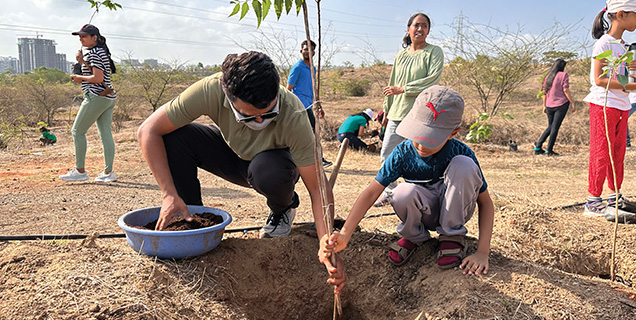
Complementing this, the Miyawaki approach enables rapid forest creation, enhancing biodiversity, improving air quality, and delivering ecological, social, and economic benefits. Implemented with SayTrees across Karnataka, Telangana, and Maharashtra, it has primarily benefited institutions such as defense, police, railways, and school communities.
Focus Area
Environment
NGOs
Dilasa, SF, BBT, NAF
States
KA, TS, TN, MH, GJ, KR
Beneficiaries
~46,380
Output/Outcome Achieved
Solar interventions across street lighting, schools and Anganwadis, community centers, a solarpowered garment unit, and solar dryers improved safety, education, livelihoods, and agricultural productivity, while also enabling access to safe drinking water
SDG Goal
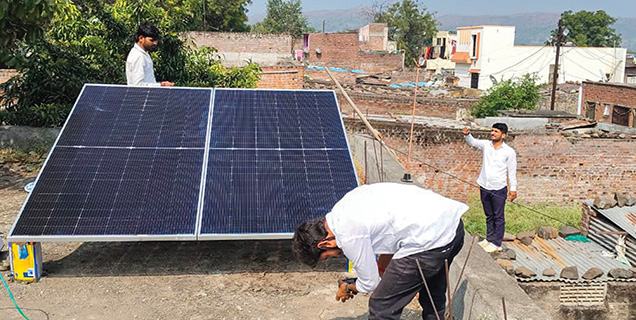
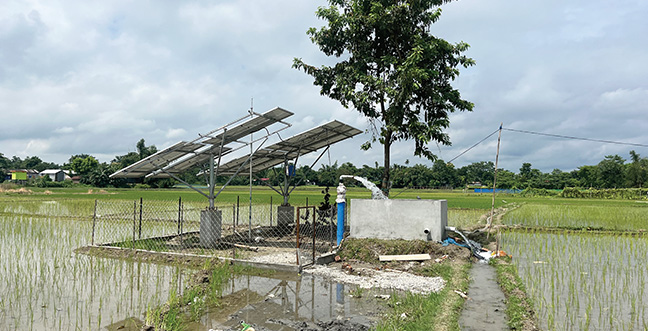
We advanced renewable energy adoption through decentralized solar solutions across Maharashtra, Gujarat, Karnataka, Tamil Nadu, and Telangana, covering seven districts and benefiting ~46,380 people in FY26. Key interventions include 603 solar streetlights to improve safety and extend productive hours, solar electrification of 40 schools and 74 Anganwadis to support education and childcare, solar systems at community centres to enable digital access, a solar-powered garment unit to promote livelihoods (especially for women), and solar dryers to reduce post-harvest losses and enhance incomes. Additionally, a community RO water system was installed in Wadwani to improve access to safe drinking water. Together, these initiatives strengthen rural infrastructure, improve public services and quality of life, and support climate-resilient, sustainable community development, with 100% implementation achieved in FY26.
Integrated Village Development Program
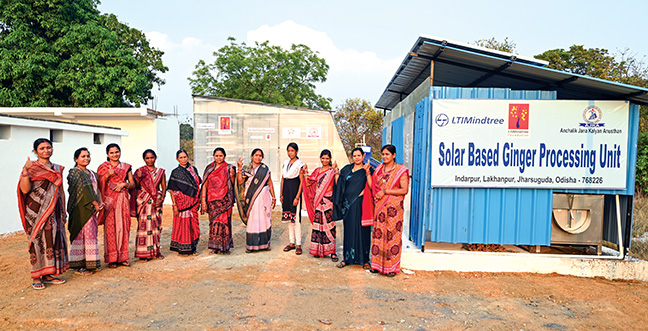
Focus Area
Community Development (Education/Environment/Empowerment/Health and Nutrition)
NGOs
- Adharshila Shiksha Samiti
- Haritika
- Arpan Seva Sansthan
- Mahashakti Foundation
- Anchalik Jana Kalayan Anusthan
- Pratham Infotech Foundation
- Citizens Foundation
- Bhavishya Bharat Trust
- National Agro Foundation
- Swami Vivekananda Youth Movement
- Swades Foundation
- Friends Union For Energising Lives
- Dilasa Janvikas Pratishthan
- Larsen And Toubro Public Charitable Trust
- Sikshana Foundation
States
Pan India
Aspirational Districts
15
Beneficiaries
645,238
Output/Outcome Achieved
Impacting 645,238 lives, the IVDP program sharpened its focus on driving deeper outcomes across 17 Aspirational Blocks in the country
SDG Goal
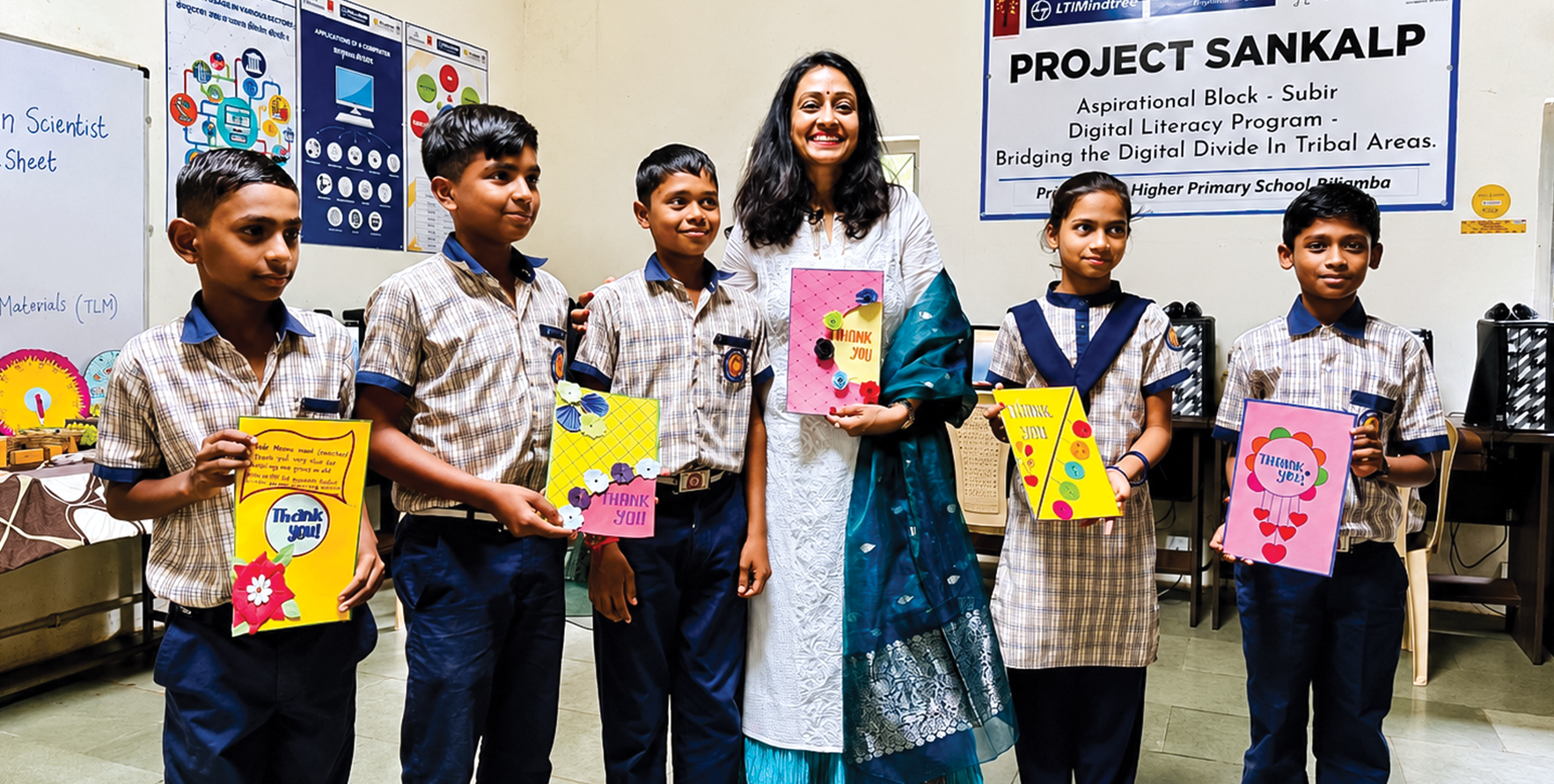
Our Integrated Village Development Program (IVDP) is anchored in a structured theory of change, drawing on BRAC’s Graduation approach and YC Yen’s rural reconstruction model to enable holistic development at the gram panchayat level. Following a successful pilot in Dang, Gujarat, the program is being scaled across 17 Aspirational Blocks in alignment with NITI Aayog’s Aspirational Blocks Program, with progress tracked against relevant national indicators.
IVDP follows a four-year lifecycle — three years of implementation and one year of graduation. It adopts an integrated approach across Education, Environment, Empowerment, and Health and Nutrition. Interventions include inclusive and digital education (including STEM and teacher capacity building), sustainable agriculture, biodiversity, decentralized renewable energy, and watershed development, alongside skilling, financial literacy, SHG/producer organization promotion, and maternal, child health, and WASH initiatives.
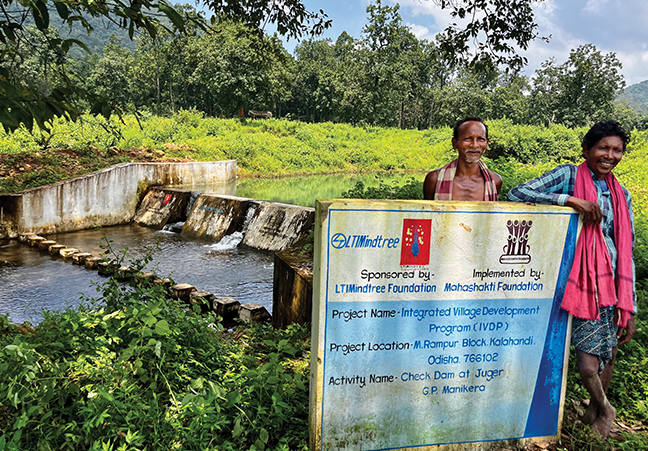
At the community level, the program strengthens early education through Anganwadi digitization and virtual learning, supports scholarships for underserved students, and enables livelihoods through micro-enterprises, seed funding, and youth skilling. Environmental interventions include agroforestry, organic practices, solar-powered solutions, and comprehensive watershed management through check dams, rainwater harvesting, water-smart systems, community-led water governance, and water purification infrastructure, collectively driving sustainable, resilient rural development.
Program Model
Geographical Overview
Project Type
0
IVDP locations0
Linear program locations0
States0
Total no. of beneficiaries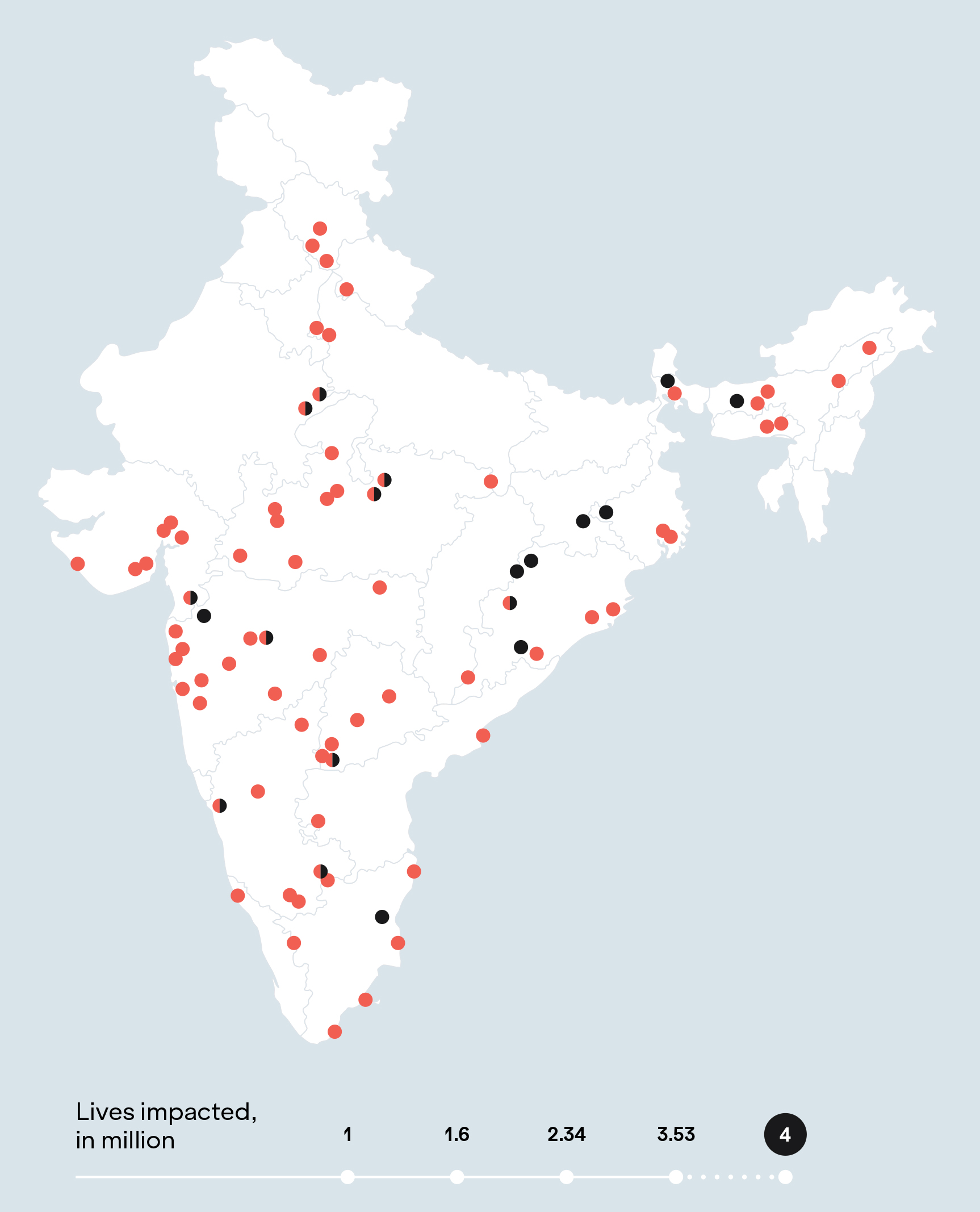

From Uncertainty to Self-reliance

In Gujarat’s Subir Block, Arunaben Gavdi’s livelihood was once defined by erratic rainfall and the need for seasonal migration since farm produce was limited and could not sustain the family. Her journey transformed in FY25 through LTM-LTPCT’s Integrated Village Development Program, when access to solar mini lift irrigation ensured a reliable water source. This enabled her to shift from rainfed farming to vegetable cultivation, generating INR 4.27 Lakh and stabilizing her income. Building on this progress, she diversified into chili and other crops in FY26, adopting drip irrigation and mulching. With reduced migration, improved food security, and lower climate risks, Arunaben has emerged as a confident farmer and an inspiring role model in her community.
Empowering Futures through Digital Inclusion
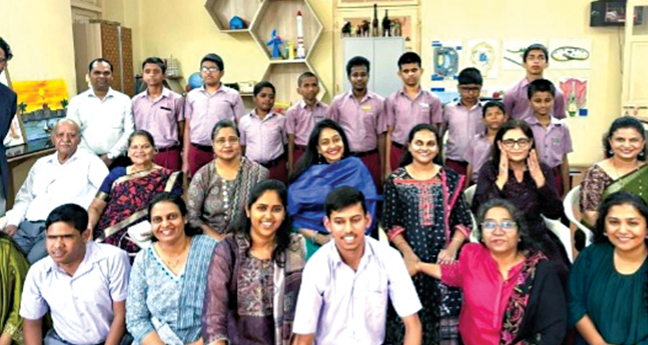
Through its Tech4Future initiative, LTM is addressing the digital divide by expanding access to technologyled learning across underserved communities. In FY26, with the rollout of 82 Digital Inclusion Centers, the program is expected to impact over 25,000 learners, equipping them with essential digital and workforceready skills and building a future-ready talent pipeline. Inclusion remains a core focus, with specialized labs for students with disabilities equipped with assistive technologies and tailored pedagogy. Over 160 visually impaired students benefited from interventions such as learning mathematical notations and structured communication for scribes, enabling them to confidently appear for examinations. Increased teacher engagement further strengthened personalized learning outcomes, creating more equitable pathways to education and employment.
Customers
Material Issues
- Data privacy and risk management
Key Risks
- Cybersecurity
- Data privacy
- ESG

0/0
Steady Client Satisfaction Rate in FY26Client Satisfaction
At LTM, we view client satisfaction as a reflection of the value we create, not just the services we deliver. Deeply rooted in our Business Creativity approach, we combine human insight with intelligent systems to move beyond execution and focus on measurable business outcomes. This enables us to partner with clients more strategically, helping them reimagine possibilities and outcreate new pathways for growth.
Our FY26 client feedback reflects this shift. We achieved a strong response rate of 62%, with a growing emphasis on AI and emerging technologies, where expectations increased significantly during the year. Encouragingly, 66% of our clients indicated active engagement with our teams on their AI priorities, reinforcing our evolving role as a strategic and advisory partner.
We continue to demonstrate strong domain understanding, outperforming industry benchmarks, and 41% of CXO and senior stakeholders now recognize LTM as a strategic partner, well above the industry range. While our Customer Experience Index remained stable, these insights guide our focus on elevating experience, deepening engagement, and delivering differentiated value.
As client expectations evolve, we remain committed to continuous value creation, strengthening long-term partnerships built on trust, innovation, and measurable impact.
Client Experience Index
Our Client Experience Index (CX Index) remained stable in FY26, holding close to FY25 levels and aligning with the industry median across key parameters. While there was a marginal dip across certain metrics, the variation was not statistically significant, reflecting overall consistency in client experience delivery.
Across satisfaction, loyalty, advocacy, and business value, our scores continue to demonstrate steady performance, with particularly strong outcomes in advocacy and client relationships. Notably, we outperform industry benchmarks in key areas such as business understanding and domain expertise, reinforcing our position as a trusted partner.
These insights highlight both our strengths and areas for continued focus. As client expectations evolve, particularly toward AI-led transformation and advisory engagement, we remain committed to enhancing experience, deepening partnerships, and delivering differentiated value that enables us to outcreate more meaningful client outcomes.

Key Metrics of CSAT Survey
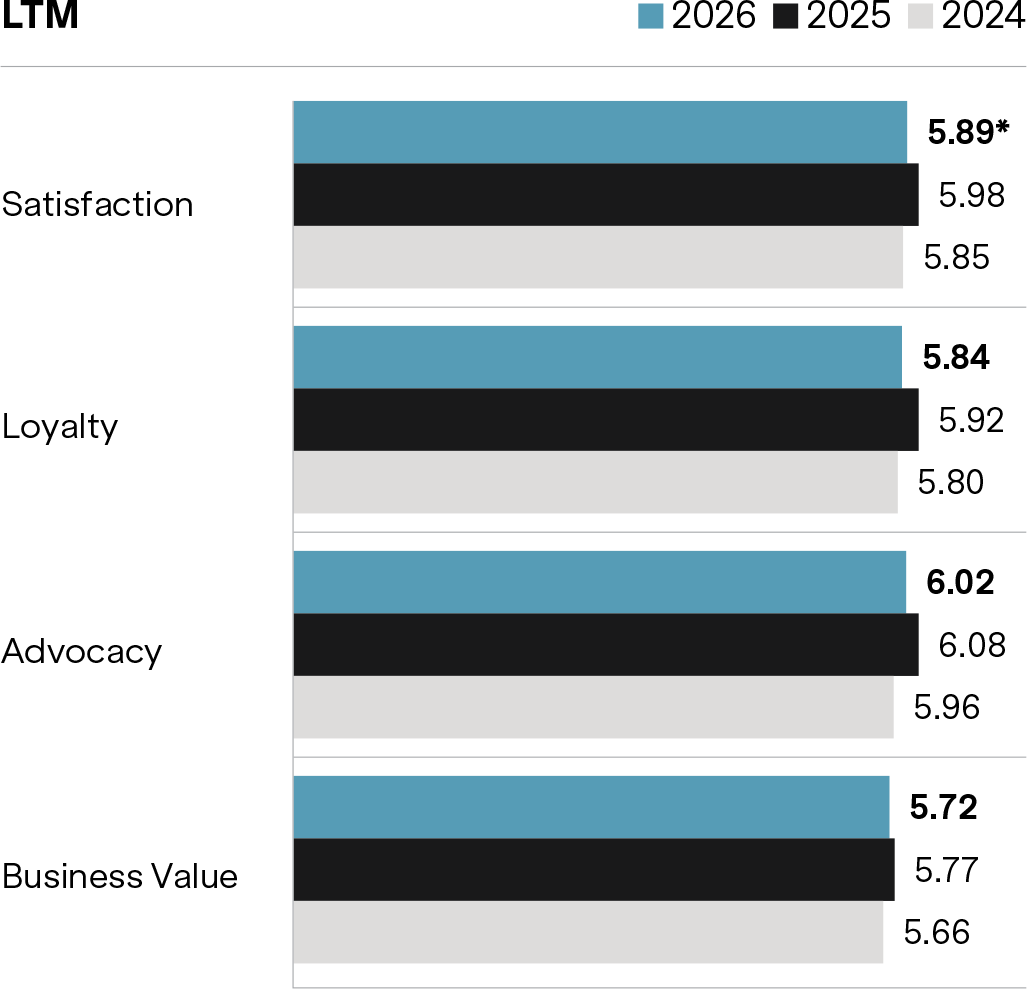
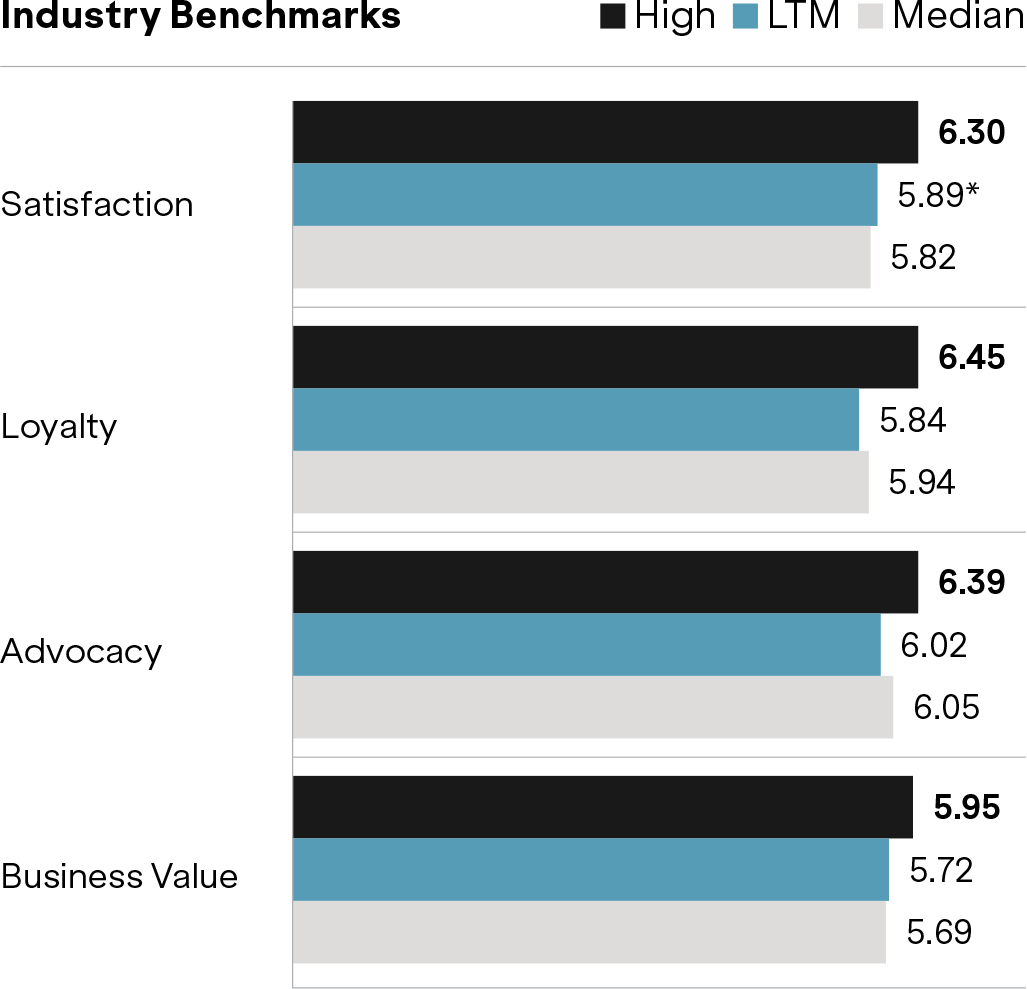
* Mean score on a 7-point scale
Suppliers
At LTM, we look at our suppliers as strategic partners in creating sustained value for our stakeholders. Our approach to supplier management is anchored in progressive collaboration, with a focus on core business requirements such as quality, sustainability, and ethical practices. Through a robust Global Procurement Process, we ensure that our supplier partners consistently meet and uphold our standards for responsible, sustainable and ethical business practices.
Material Issues
- Supply Chain Sustainability
Key Risks
- Resource Retention
- ESG
0
MSME vendors accounted for 26% of ourtotal procurement within India in FY26
0
Active suppliers as of March 31, 2026
Approach
Collaboration and Engagement
We actively engage with our suppliers, clients, and stakeholders to understand their expectations and concerns. As on March 31, 2026, we have 8,112 active suppliers. By collaborating closely, we identify opportunities and areas to embed sustainability across our supply chain and strengthen responsible sourcing practices.
Environmental Responsibility
Waste Reduction and Recycling
- We promote recycling initiatives across our supplier network. From packaging materials to electronics, we encourage responsible disposal and recycling practices.
- Hardware reuse is a priority. Refurbishing laptops and servers not only reduces waste but also extends the lifespan of valuable assets.
Energy Efficiency
- We work with suppliers to optimize energy usage across operations, from data centers to manufacturing facilities, promoting the adoption of energy-efficient practices and driving greater operational sustainability.
- In line with our commitment to sustainable practices, we work with suppliers who strive to reduce carbon footprint and promote sustainable practices.
Social Responsibility
Protecting Personally Identifiable Information (PII)
- Talent Acquisition processes involve handling sensitive information. We have implemented data protection agreements with our suppliers to safeguard PII.
- Access controls ensure that only authorized personnel have access to employee and customer data.
Diversity and Inclusion
We believe in an inclusive supply chain. Our procurement decisions actively promote diversity, equity, and equal opportunities across our partner ecosystem.
In FY26, the total diverse actual spend value was USD 38 Million, which constitutes 6.5% of the total spend.

Risk Mitigation
Supplier Governance
- We engage 100% of our suppliers on responsible practices, including social and environmental responsibility. Ethical conduct and risk planning are non-negotiable.
- Regular assessments help us identify potential risks and address them proactively.
Supplier Due Diligence
- All new and existing active suppliers undergo rigorous due diligence through the Refinitiv platform, with comprehensive screening of suppliers for sanctions, regulatory compliance, financial irregularities, human right violations and adverse media coverage.
- All observations are analyzed on a fortnightly basis and action is initiated suitably as required and deemed necessary for any negative comments.
- It also enables us to make informed decisions and ensure our suppliers meet our high standards for sustainability and ethical practices.
Empowering Sustainable Partnerships
- Our commitment to sustainability extends beyond our organization. Through capacitive building initiatives led by our CSR program, we have fostered meaningful engagement with 10% of our active supplier base by transaction volume.
- We have 779 MSME vendors contributing to 26% of the total spend (India) for FY26.
