

Corporate Overview
Introduction
Theme Note 2026 Highlights Message from the Chairman Message from the CEO & MD Message from the Whole-time Director & CFO Report Profile Outcreating for those we ServeLTM at a Glance
Who We Are Service Offerings Industries Verticals Geographical FootprintA Year Where We Outcreated
Key Performance Indicators Awards and RecognitionDelivering Value through Business Creativity
Business Model Operating Context Stakeholder Engagement Materiality Risk ManagementCase Studies
Outcreate, Responsibly
ESG Vision and Progress Environment Social GovernanceStatutory Reports
Management Discussion and Analysis Business Responsibility and Sustainability Report Board’s Report Corporate Governance Report Risk Management ReportFinancial Statements
Standalone ConsolidatedGlobal Presence and Notice
Global Presence Notice of the thirtieth AGM Environment
Responsible Growth
At LTM, sustainability is not an adjunct to our business — it is how we outcreate value, shape responsible growth, and outperform expectations for our stakeholders and the planet.
During the year, we advanced our sustainability agenda through responsible resource use, eco‑efficient practices, and employee‑led action, fostering a culture of shared accountability. Our progress — marked by 2.8x water positivity, 94.91% waste recycling, and 39.48% renewable energy sourcing — reflects our determination to translate intent into measurable impact. Through our commitment to the Science Based Targets initiative (SBTi), we are advancing a science-led decarbonization pathway.
We are guided by global frameworks such as the UN Sustainable Development Goals, ISO 14001 and ISO 45001 standards, and continue to focus on outcreating solutions that balance innovation with responsibility in order to build a sustainable future where technology, performance, and purpose move forward together.
- Technology
- Planet
- Sustainability
- Decarbonization
- Green tech and innovation
- Climate change
- Water management
- Waste management
- Supply chain sustainability
No risks were identified




Environmental Performance (Global)
0 GJ
Energy consumption0 ML
Water consumption0%
Renewable energy0%
Waste recycled0%
Renewable electricityEnergy-smart Operations
At LTM, we are advancing energy efficiency by re‑engineering infrastructure and operations to consume less while delivering more. Through intelligent design, advanced technologies, and data‑driven controls, we reduce energy intensity, lower emissions, and outperform expectations in operational efficiency and resilience.
Key energy initiatives
Installation of Energy-efficient
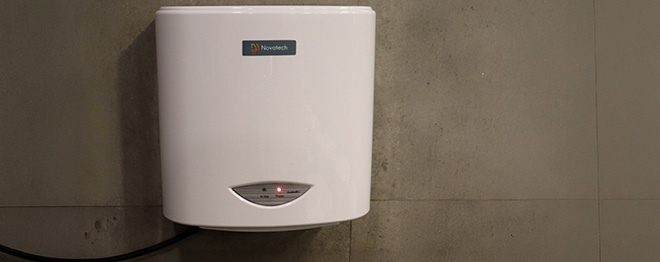
High-speed Hand Dryers
Hand dryers usually require long drying times, driving up energy use, operating costs, and hygiene risks due to contact-based operation. We replaced these with touch-free, high-speed dryers, integrating them into the existing electrical infrastructure across the floor. This ensured touch-free operation and faster drying, thus improving user comfort and both safety and hygiene while lowering emissions and operational costs.
Impact on the Ground
Bengaluru – Gopalan
Impact
0 kWh
Annual energy savings0 tCO₂e
Annual Emissions ReducedINR 0
Annual cost savingsHyderabad – Metro
Impact
0 kWh
Annual energy savings~0 tCO₂e
Annual Emissions ReducedINR 0
Annual cost savingsBengaluru – Global City
Impact
0 kWh
Annual energy savings0 tCO₂e
Annual Emissions ReducedINR 0
Annual cost savingsWarangal
Impact
0 kWh
Annual energy savings~0 tCO₂e
Annual Emissions ReducedINR 0
Annual cost savings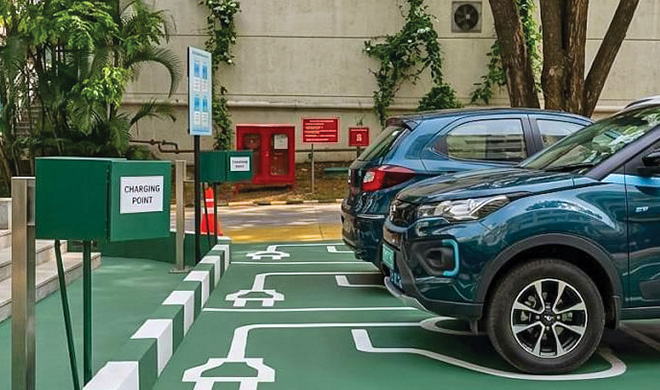
Installation of EV Charging Stations
Bengaluru – Gopalan SEZ Facility
Installation of EV charging stations, for both two-wheelers and four-wheelers, at the Bengaluru-Gopalan SEZ facility was prioritized in acknowledgement of the growing adoption of EVs among employees and visitors – and thus encourage the overall shift towards sustainable mobility. The completed setup includes Bolt Earth Pro 3.3 kW chargers for two-wheelers and Bolt Earth Blaze AC 7.4 kW chargers for four-wheelers, together with smart load management, safety systems, dedicated energy meters, CCTV surveillance, and clear SOPs for usage and emergency response. Beyond enhancing user convenience, the initiative reduces greenhouse gas emissions while strengthening our EV readiness and supporting cleaner mobility.
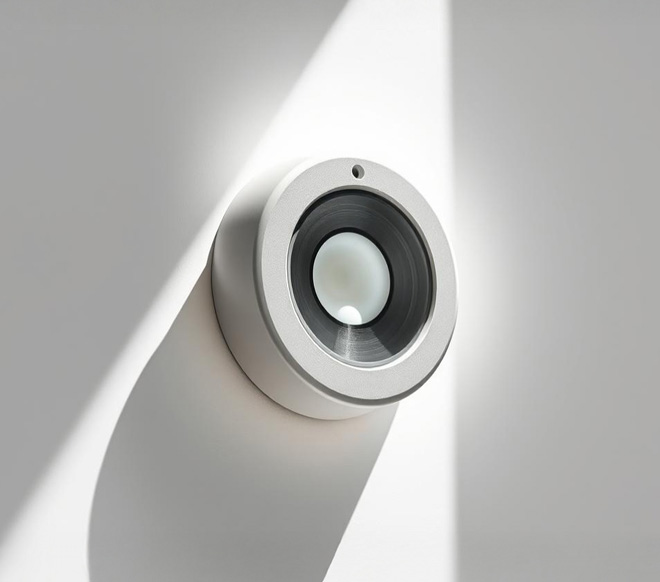
Installation of Daylight Sensors
Bengaluru – Gopalan Facility
Despite adequate natural daylight, the usage of artificial lighting near the façade at the Bengaluru-Gopalan facility was leading to unnecessary electricity consumption and higher operational costs. Daylight sensors were installed at select façade areas to automatically adjust lighting levels based on daylight availability. Compatible GrydSense daylight sensors were integrated with existing lighting controls to ensure the system was seamlessly deployed with minimal disruption. The initiative reduced energy consumption while limiting emission reduction and costs. The automated system has added to visual comfort and optimized lighting performance while supporting compliance with green building requirements.
Impact
0 kWh
Annual energy savings (36% reduction)0 tCO₂e
Emissions reduced annuallyINR 0
Annual cost savingsInstallation of Energy-efficient LED Lighting
To enhance energy performance and workplace comfort, lighting upgrades were undertaken across multiple facilities, replacing inefficient fixtures with energy-efficient LED solutions aligned to ESG and green building standards.
Bengaluru – Whitefield (Phase 1)
Outdated CFL fittings were replaced with energy-efficient LED panels and tubes across workstations, staircases, the cafeteria, and parking areas, improving lighting quality and reducing energy consumption.
Impact
0 lakh kWh
Annual energy savings0 tCO₂e
Carbon emission reduction per yearINR 0
Annual cost savings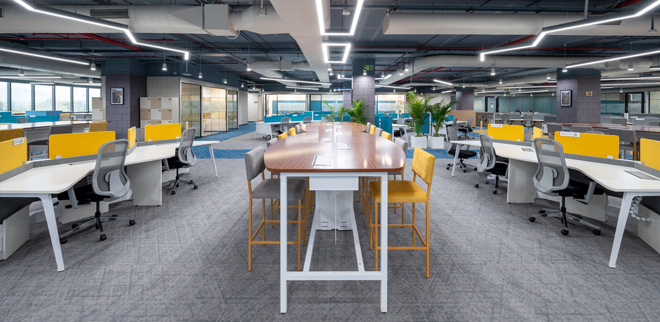
Bhubaneswar Facility
CFL lighting in the VC classroom was replaced with energyefficient LED fixtures to enhance energy performance and align with IGBC Green Building standards, leading to improved fixture lifespan and better lighting.
Impact
~0 kWh
Annual energy savings (56.16 kWh daily)0 tCO₂e
Carbon emission reduction per yearINR 0 lakh
Annual cost savings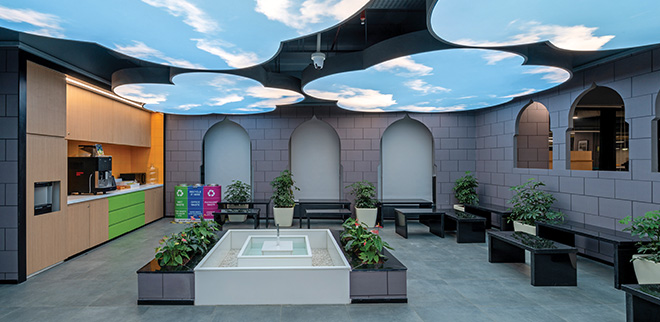
Hyderabad – Raheja 12D Facility
Existing LED downlights were replaced with energy-efficient fixtures to improve lighting quality and reduce power consumption.
Impact
0 kWh
Annual energy savings~0 tCO₂e
Carbon emission reduction per yearINR 0
Annual cost savings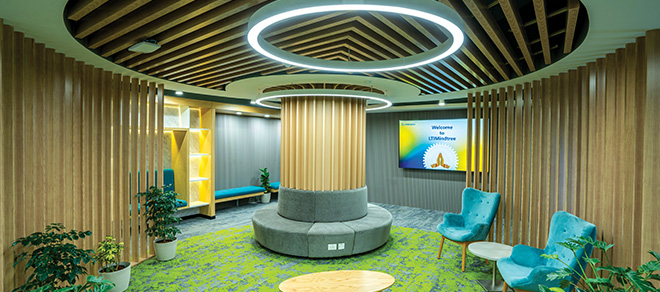
Upgrading Kitchen Exhaust System with Smoke Gas Sensor and Actuator
Bengaluru – Solaris Facility
The kitchen exhaust system was upgraded with smoke gas sensors, actuator-controlled dampers, and automated motor control to optimize ventilation based on real-time demand. This upgrade reduced energy use substantially while reducing emissions. Continuous smoke monitoring enhances indoor air quality, reduces fire and smoke risks, and improves employee safety.
Impact
0 kWh
Annual energy savings0 tCO₂e
Carbon emission avoided per yearINR 0 Lakh
Annual cost savingsEnergy Efficient Cooling Optimization for UPS & Battery Rooms
Chennai – IC Facility
Energy efficiency in the UPS and Battery Room was enhanced by integrating an additional AHU duct with a motorized damper to supplement existing DX cooling systems. The optimized configuration enables partial cooling through the AHU, reducing the need for continuous operation of all DX units and lowering electricity usage.
Impact
0 kWh
Annual energy savings0 tCO₂e
Emissions avoided annuallyINR 0 lakh
Annual cost savingsHVAC Energy Optimization
Chennai – IC office
At the Chennai-Innovation Campus (IC T1), HVAC energy consumption was optimized by rescheduling AHU operating hours, reducing nighttime operation, and increasing temperature set points from 24°C to 26°C without compromising occupant comfort. These adjustments significantly lowered chiller load and overall energy consumption.
Impact
~0 lakh kWh
Annual energy savings0 tCO₂e
Emissions avoided per yearINR 0 lakh
Annual cost savings~ 0 %
Reduction in chiller energy consumptionPune – Shivajinagar Office
Conventional belt-driven AHU blower motors were replaced with high-efficiency ECM (IE5) fan motors to improve HVAC performance and reduce energy consumption across 10 AHUs. The completed upgrade delivered a ~60% reduction in daily energy use.
Impact
~0 lakh kWh
Annual energy savings0 tCO₂e
Emissions avoided per yearINR 0 lakh
Annual cost savings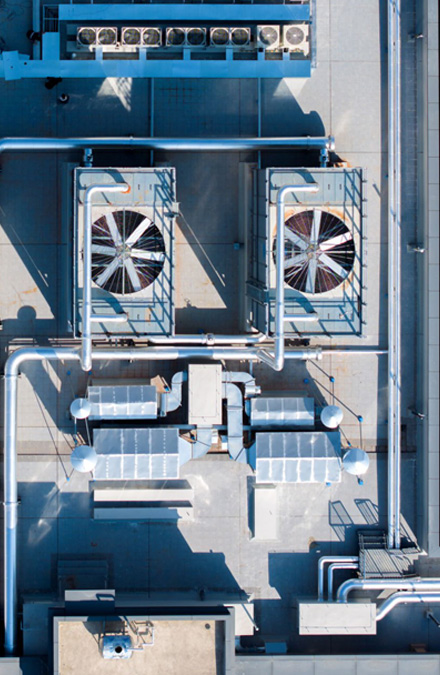
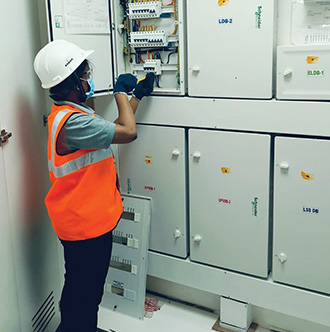
Lighting Energy Optimization
Chennai – Innovation Campus
lighting energy consumption was optimized by implementing timer-based automation and manual shutdown of lights in unoccupied areas during weekends. These measures reduced weekend lighting loads significantly.
Impact
0 kWh
Annual energy savingsINR 0 lakh
Annual cost savings0 tCO₂e
Emissions avoided per year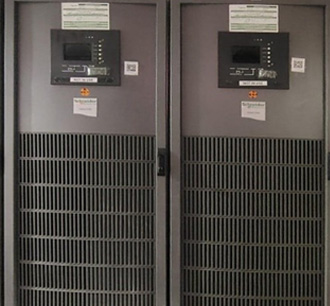
Strengthening Power Reliability through Centralized UPS Alarm Annunciation
Chennai – Innovation Campus (IC T1)
A centralized UPS Alarm Annunciator Panel was implemented at the Chennai-Innovation Campus (IC T1) to enable real-time monitoring of critical power systems from the BMS control room. The system ensures immediate visual and audible alerts for power failures, inverter faults, battery conditions, and bypass operations, significantly reducing response time and downtime risk. This upgrade enhances operational reliability, audit readiness, and workplace health and safety for critical infrastructure.
Impact
0 kWh
Annual energy savings0 tCO₂e
Emissions avoided per yearAutomated Temperature Monitoring and Alarm System for Critical Rooms
Kolkata
Across Kolkata locations, an automated temperature monitoring and alarm system was implemented in the Hub, ISP, and Server rooms to replace manual checks and ensure compliance with the 23°C ± 1°C data center standard. The system provides continuous monitoring with real-time alerts for temperature deviations, significantly reducing risks of overheating, fire hazards, and equipment failure. By preventing over cooling and enabling faster response, the initiative improves energy efficiency, asset protection, and operational uptime.
Impact
- Strengthened data center safety
- Compliance
- Operational efficiency
UPS Optimization
Hyderabad – Raheja Facility
UPS capacity was optimized by decommissioning underutilized units and reconfiguring power distribution to align with actual load demand. This initiative reduced installed UPS capacity by 37%, leading to energy saving and significant cost avoidance in batteries, capacitors, and AMC. Additional benefits include simplified monitoring, improved operational efficiency, and reduced hazardous waste generation through deferred equipment replacement.
Impact
0 kWh
Annual energy savings0 tCO₂e
Carbon emission avoided per yearPune – Qubix-IT9 Facility
Low utilization conventional UPS units were replaced with modern, scalable modular UPS systems to enhance reliability and efficiency for critical loads. The upgrade delivered savings in both energy and cost while avoiding emissions. Besides, the modular architecture improves scalability and reduces maintenance risks.
Impact
0 kWh
Annual energy savingsINR 0 lakh
Annual cost savings0 tCO₂e
Carbon emission avoided per yearBhubaneswar Facility
Five end-of-life UPS units supporting critical IT operations and emergency lighting at the Social Center and SDB A block were replaced with modern, efficient UPS systems with minimal operational disruption. This upgrade ensured an uninterrupted power supply, reduced the risk of equipment failure and safety incidents, and strengthened business continuity.
Impact
- Infrastructure reliability
- Workplace safety
- Future-ready load capacity
Installation of PAC units
Pune – Shivajinagar facility
At the data center of the Pune-Shivajinagar facility, the existing conventional and centralized HVAC system was successfully replaced with dedicated Precision Air Conditioning (PAC) units to meet data center policy requirements and improve operational efficiency. In addition to reducing energy consumption by 72% and attendant emissions benefits, the upgrade ensures environmental control and optimizes capacity for future IT expansion.
Impact
~0 Lakh kWh
Annual energy savings0 tCO₂e
Emissions avoided annuallyINR 0 Lakh
Annual cost savingsEnergy Optimization through Stand-alone AC Deployment for 24×7 Areas
Chennai – Innovation Campus
HVAC energy consumption was optimized by rescheduling AHU operating hours, reducing nighttime operation, and increasing temperature set points from 24°C to 26°C without compromising occupant comfort. These adjustments significantly lowered chiller load and overall energy consumption.
Impact
~0 lakh kWh
Annual energy savingsINR 0 Lakh
Annual cost savings0 tCO₂e
Emissions avoided annually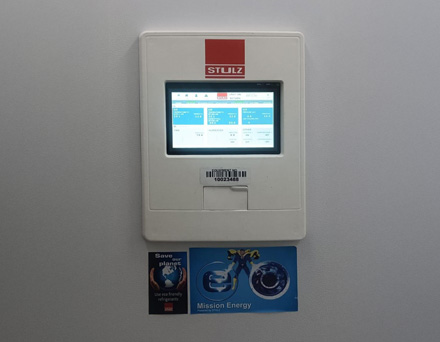
Outcreating Low‑carbon Pathways
Aligned with the Group’s climate ambitions, LTM is outcreating low‑carbon solutions across energy, mobility, and infrastructure. By reducing emissions at source and accelerating cleaner alternatives, we are outperforming expectations on our journey toward a climate‑resilient, net‑zero future.
Key Emission Management Initiatives
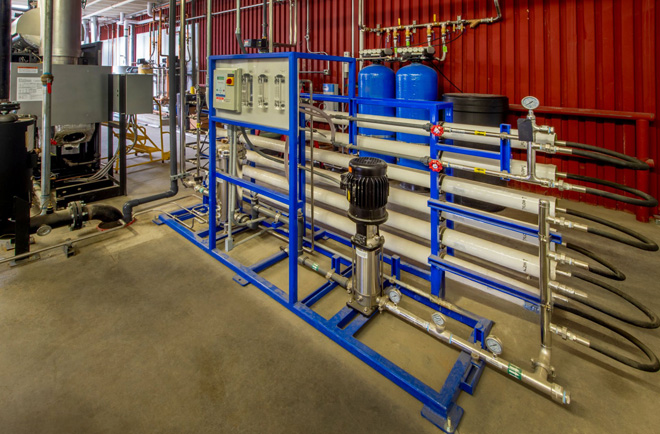
On Site RO Plant Installation
Hyderabad – Metro Facility
An onsite RO plant was installed to eliminate dependence on bottled drinking water and reduce environmental impact. Apart from substantial cost savings, with a payback period of approximately 2.7 years, the move has led to a significant reduction in plastic waste and logistics-related emissions as the initiative has eliminated bottled water transportation. The transition strengthens water self-sufficiency, reduces environmental footprint, and reinforces the organization’s commitment to sustainable and responsible resource management.
Impact
INR 0 Lakh
Annual cost savings~0 kgCO₂e
Emissions avoided annually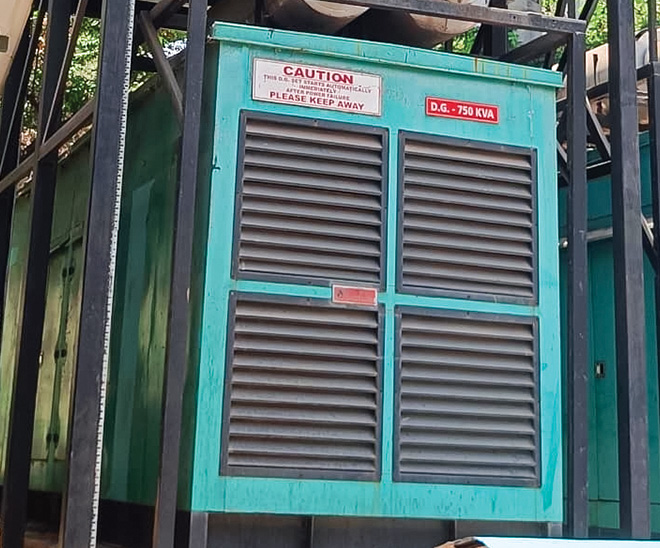
Strengthening Air Emissions Compliance
Pune – Shivajinagar Office
Compliance with the Maharashtra Pollution Control Board and the Central Pollution Control Board emission norms – less than 70% – was achieved by strategically implementing Retrofit Emission Control Devices (RECDs) on diesel generator sets. Through load optimization and decommissioning of one DG set, space constraints were addressed while enabling installation of CPCB-certified, IoT-enabled RECDs. This resulted in a sizeable reduction in particulate matter and carbon monoxide without causing any adverse effects on the genset. This initiative improves local air quality and enhances operational efficiency through low-maintenance, filterless technology.
Impact
0 %
Reduction in particulate matter0 %
Reduction in carbon monoxide> 0 %
Emissions aligned with CPCB/MPCB normsSustainable Mobility
As part of our commitment to a sustainable future, LTM continues to advance low‑carbon mobility solutions across employee transportation. During the year, 61.57% of employee commutes were enabled through cleaner fuel alternatives, comprising 55.31% CNG and 6.26% EV adoption. This transition significantly reduces transport‑related emissions while improving fuel efficiency and air quality. By progressively shifting away from conventional fossil‑fuel vehicles, we are lowering our operational carbon footprint and strengthening climate resilience. This initiative reflects our determination to outperform expectations in sustainable mobility, reinforcing our ESG commitments and supporting a more inclusive, low‑emission transportation ecosystem.
During FY26, the transport fleet across Kolkata locations (Adventz, Merlin, and DLF II) was progressively transitioned from diesel and petrol vehicles to CNG-based vehicles to reduce carbon emissions and improve fuel efficiency. CNG vehicles have increased by 12% – with 85 of 114 hired vehicles now running on CNG, moving toward a target of 75% CNG fleet penetration. The program strengthens sustainable mobility practices and reinforces LTM’s commitment to EHS policy and low carbon operations.
Impact
~ 0 kg CO₂e
Emission reduction per annum~0 %
Reduction in per employee transport related emissions0 %
Employee commuteenabled through cleaner fuel
alternatives in FY26
Renewable energy

Renewable Energy Transition
Pune – Shivajinagar office
The Low-Tension (LT) meter supplying common area utilities was transitioned to 100% renewable energy by enrolling under Maharashtra State Electricity Distribution Company Limited (MSEDCL) Green Tariff Scheme. With this initiative, both High-Tension (HT) and LT power supplies are now fully covered by green energy, enabling the facility to achieve 100% renewable electricity procurement. The project, which involves power consumption at a marginal green premium, has strengthening ESG disclosures and green building certifications besides leading to reduced emissions.
Impact
~ 0 lakh kWh
Annual green power consumption~0 tCO₂e
Emissions avoided per yearResponsible Water Stewardship
Recognizing water as a critical and shared resource, LTM is outcreating sustainable water solutions across its facilities. By prioritizing efficiency, reuse, and accurate monitoring, we reduce freshwater dependency, enhance resilience, and outperform expectations in water conservation and stewardship.
Key Water Initiatives
Subsoil Water Utilization for Sustainable Water Management
Mumbai – Mensa Facility
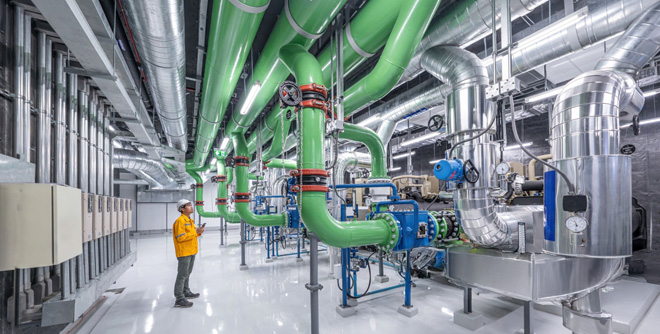
An integrated subsoil water recovery system was implemented to capture and reuse groundwater collected during monsoon periods for landscaping and flushing applications. The initiative enables the reuse of water, reducing dependence on freshwater sources and optimizing STP operations, thus strengthening water resilience and operational efficiency.
Impact
~ 0 kL
Water reused annuallyINR 0 Lakh
Annual savings per yearImplementation of RO Systems
Bengaluru – Whitefield Facility
The third-party bubble top was replaced with in-house RO systems across Phase-1 and Phase-2 pantries and cafeterias. The new RO systems ensure compliance with sustainability standards, improve water efficiency, and eliminate dependency on external vendors. Reject water from the RO system is recycled and used for landscaping & flushing. Additionally, the initiative simplifies maintenance through in-house control and enhances employee health by providing safe, high-quality drinking water.
Impact
~ 0 L
Water saved annuallyINR 0 Lakh
Annual cost savings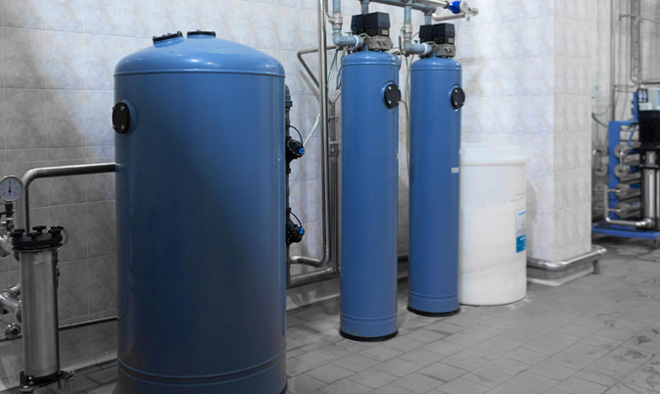
Installation of Water Meters
Bengaluru – Gopalan Facility
Water consumption was previously measured through a single terrace-level meter controlled by the developer, making it difficult to track floor-wise usage across restrooms, pantries, and cafeterias. To improve visibility and reduce wastage, water meters were installed at all major consumption points based on site compatibility. These water meters will help us in ensuring billing accuracy and greater compliance with environmental standards.
Impact
- Accurate floor wise monitoring
- Early leak detection
- Better consumption control
Noida – Candor Tech Space (Tower 3 and Tower 5)
Digital water flow meters were installed to ensure precise, real-time measurement of fresh and treated water usage instead of one based on assumption. The initiative significantly improved data accuracy, enabling reliable monitoring, cost control, and early detection of leaks or abnormal consumption. Real-time and historical data visibility strengthens transparency and supports informed decision-making.
Impact
- Accurate data tracking
- Improved cost control
- Informed decision-making
Use of Recycled Water for Flushing
Bengaluru – Hebbal Facility
We ensure the use of treated water from the STP for flushing, replacing the use of freshwater. Previously, all urinals were supplied with potable water, resulting in high freshwater dependency and associated costs. The project reduces pressure on municipal and groundwater sources and supports our water conservation targets apart from leading to significant cost savings.
Impact
~ 0 kL
Freshwater conserved annuallyINR 0 Lakh
Annual cost savingsPune – ICC Tech Park
The use of recycled water for flushing has resulted in average annual freshwater savings owing to significant reduction in dependence on freshwater for nonessential activities and thus lower water-related operating costs.
Impact
~ 0 kL
Freshwater saved annuallyInstallation of Waterless Urinals
Bhubaneswar – Kalinga Campus
Installation of waterless urinals has reduced water consumption, chemical usage, and maintenance effort while improving restroom hygiene. The mechanical one-way valve system ensures effective odor control without chemicals, lowering operational costs and reducing load on sewage treatment infrastructure.
Impact
~ 0 kL
Annual water savings- Avoidance of harsh chemicals
- Monitored performance
Installation of Water Aerators and Sensor-based Taps
Hyderabad – LCC Facility
Regular aerators were replaced with ECO365 mist aerators on identified washroom taps to optimize water usage and improve resource efficiency.
Impact
~ 0 kL
Annual water savingsINR 0
Cost of savings per yearPune – Shivajinagar office
Wash basin taps were upgraded from 3.8 LPM aerators to efficient 1.3 LPM models to reduce excessive water usage. The upgrade significantly reduces the facility’s water footprint while maintaining user comfort and hygiene standards.
Impact
~ 0 kL
Annual water savingsINR 0
Cost of savings per yearSensor-based hand wash taps were deployed across LTM facilities in Hyderabad, Coimbatore, and Noida to curb water wastage, improve hygiene, and enhance resource efficiency. The transition from conventional taps to touchfree systems significantly reduced water consumption while maintaining user comfort and operational performance. The initiative also delivered rapid returns in select locations, alongside measurable reductions in utility costs and overall water footprint.
INR 1 Million
Total annual savings from the measures across the different sitesHyderabad – Metro
Impact
6,006 kL
Annual water savingsINR 9.31 lakh
Annual cost savings  4-month ROI
Hyderabad – Skyview
Impact
197.47 kL
Annual water savingsINR 30,608
Annual cost savings
Improved hygiene
Warangal
Impact
53.86 kL
Annual water savings
Reduced wastage
Coimbatore – Rathinam
Impact
700 kL
Annual water savingsINR 1.26 Lakh
Annual cost savings
Investment: INR 13,200
Noida
Impact
159 kL
Annual water savings
Reduced germ transmission
7,116 kL
Total water savings annually from sensor-based hand taps Additional impact
Rainwater Harvesting
Mumbai – Powai Facility
A rainwater filtration system was installed to treat and reuse harvested rainwater for nonpotable applications such as flushing, cleaning, and fountains. The initiative enables the reuse of rainwater during monsoons, reducing dependence on municipal supply. By utilizing a Pressure Sand Filter (PSF) system with a capacity of 10 kL/day, the project supports sustainable water management and long-term resilience. The solution also offers scalability for future integration with chiller plants and cooling towers, reinforcing the organization’s sustainability objectives.
Impact
Up to 0 kL
Rainwater reusedINR 0
Annual cost savingsSmart Cleaning Program for Water Conservation
Hyderabad – Raheja Facility
We implemented a Smart Cleaning Program to modernize facility housekeeping through microfiber tools, pre-wet mop systems, and mechanized TASKI® cleaning equipment. The initiative led to significant annual water savings, reducing consumption while lowering chemical usage and minimizing cross-contamination risks. Advanced tools and ergonomic practices reduced physical strain on housekeeping staff and improved cleaning efficiency and hygiene standards.
Impact
0 %
Annual water savings0 KL to 0 KL
Reduction in consumptionCircular Resource Use
LTM focus to outcreate includes a circular approach to waste, transforming reduction, reusing, and focusing on responsible disposal, thus building operational strength. Through innovative processes and conscious choices, we minimize landfill impact, manage hazardous waste responsibly, and outperform expectations in resource efficiency.
Reducing Battery Waste through Sustainable Power Solutions
Across LTM facilities, battery-related environmental impact was significantly reduced through targeted technology interventions. At the Bengaluru-Solaris facility, single-use C-type alkaline batteries were replaced with Li-ion rechargeable batteries across 420 urinal and handwash sensors, supported by centralized charging stations and battery health monitoring, resulting in annual cost savings and a substantial reduction in hazardous e-waste. At the Mumbai-Mensa facility, battery-operated sensor-based water taps were converted to electricitypowered taps, eliminating the disposal of approximately 26,880 AA batteries annually.
Impact
Bengaluru – Solaris
Significant reduction in hazardous battery waste
INR 0 Lakh
Annual savingsMumbai – Mensa
~ 0 tons
Hazardous waste avoidedINR 0 Lakh
Annual cost savingsPaperless Operations through Digital Checklist and Inventory Management
Kolkata – Merlin Infinite, Adventz, DLF II
Operational checklists were digitized using FM Matrix software integrated with QR-based task execution, eliminating dependence on paper-based processes. Collectively, the transition to paperless operations reduced environmental impact, improved compliance tracking through real-time updates and photo evidence, and strengthened LTM’s ESG performance by enhancing transparency, efficiency, and sustainable facility management.
Impact on the Ground
Merlin Infinite
Impact
0
A4 sheets saved annually0 kg
Oxygen conserved0
Trees preserved0 kg
CO2 sequesteredAdventz
Impact
0
A4 sheets saved annually0 kg
Oxygen conserved0
Trees preserved0 kg
CO2 sequesteredDLF II
Impact
0
A4 sheets saved per year0 kg
Oxygen conserved0
Trees preserved0 kg
CO2 sequestered
Transition to Bamboo Jumbo Rolls for Restroom Facilities
Bengaluru – Solaris
We replaced conventional wood-based toilet rolls with bamboo jumbo rolls at the Bengaluru-Solaris facility, thus reducing paper consumption, packaging waste, and reliance on wood pulp, as each jumbo roll replaces approximately eight conventional rolls. From an environmental perspective, the use of bamboo — a fast-growing renewable resource — lowered the facility’s material footprint while improving operational efficiency through fewer replenishments and simplified inventory management. The initiative supports sustainable procurement practices and strengthens ESG reporting disclosures.
Impact
Zero capital investment
INR 0 Lakh
Annual cost savingsSafer, People‑centric Workplaces
LTM focus to outcreate includes a circular approach to waste, transforming reduction, reusing, and focusing on responsible disposal, thus building operational strength. Through innovative processes and conscious choices, we minimize landfill impact, manage hazardous waste responsibly, and outperform expectations in resource efficiency.
Key Health & Safety Initiatives

Enhancing Indoor Air Quality through MERV Filter Upgrades in AHUs
At Bhubaneswar, Hyderabad Metro and Pune-Shivajinagar facilities, AHU filtration systems were upgraded by replacing aged pre-filters with high-efficiency MERV-rated filters to improve indoor air quality and occupant health. The upgrade enables effective removal of fine particulates, allergens, bacteria, and airborne pathogens, supporting a healthier and safer workplace environment. This initiative reinforces the organization’s commitment to Health & Safety, regulatory compliance, and sustainable building operations.
Impact
- Improved filtration
- Operational efficiency
- Extended life of HVAC system
Securing Infrastructure with Fire-Retardant Materials
Bengaluru – Global Facility
To strengthen workplace safety and minimize fire hazards, we closed all plumbing, electrical, and Building Management System (BMS) shafts using certified fireretardant materials. By reducing potential ignition points and improving structural fire resistance, the initiative enhances compliance with fire safety standards and safeguards employees, assets, and critical infrastructure, making the work environment secure and resilient in alignment with global safety best practices.
Impact
- Prevents vertical spread of fire and smoke through shafts
- Better management during emergencies

Emergency Alert System Implementation in Gym Facilities
We enhanced safety by installing a dedicated emergency pull cord alert system in the gym facility at the Bengaluru-Solaris Hebbal and Hyderabad-LCC & Raheja offices. Earlier, the absence of a fixed alert mechanism posed a risk of delayed response during medical emergencies or accidents. The initiative strengthens compliance with internal EHS standards and reinforces the organization’s commitment to employee well-being and a proactive safety culture.
Impact
- Better security alert
- Better response from audible and visual alarms
Installation of Fire Suppression System
At Hyderabad-LCC and Pune-Shivajinagar, automated clean agent fire suppression systems were implemented in critical hub, electrical, and UPS rooms to protect sensitive IT and electrical infrastructure. These residue-free, human-safe systems enable rapid fire detection and suppression without manual intervention, significantly reducing risks of equipment damage, downtime, and personnel exposure while ensuring compliance with data center and fire safety standards. In addition to this, at the Mumbai-Mensa facility, an automated clean agent panel suppression system using FK 5 1 12 was installed in the fire pump room electrical panels to safeguard firefighting infrastructure and ensure uninterrupted system operation during emergencies.
Impact
- Fire safety compliance
- Operational continuity
- Better emergency preparedness
Promoting Active Workstyles through Desk Bike Workstations
Pune – ICC Tech Park
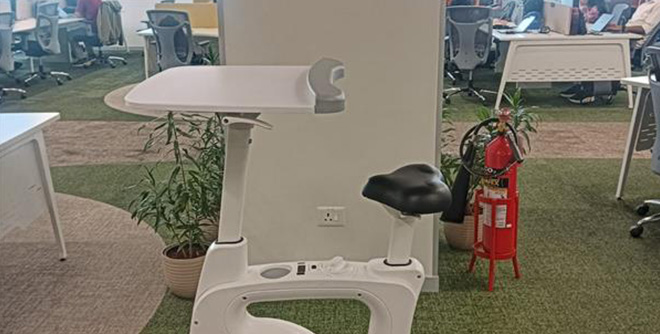
A desk bike workstation was introduced to promote employee wellness and active work habits at the office. The initiative enables employees to stay physically active during work hours, supporting cardiovascular health and reducing sedentary behavior. By integrating wellness with the workspace, the project enhances employee engagement and motivation.
Impact
- Active work habits
- Employee wellness
Installation of fire-rated doors for electrical rooms
Pune – Embassy Office
Old fire-rated doors in electrical rooms were replaced with new certified fire rated doors to restore fire compartmentation integrity and address critical safety risks. The upgrade ensures proper door operation, compliance with IS/ANSI fire safety standards, and seamless integration of access control systems. This initiative enhances workplace safety, prevents unauthorized access to high-risk areas, and reduces long-term maintenance requirements.
Impact
- Better workplace safety
- Reduces long-term maintenance requirements
Automated Fire Safety Integration with HVAC and Lift Systems
Noida Facility
The fire alarm system was integrated with HVAC and lift systems to enable automated emergency response during fire incidents. Upon alarm activation, lifts are recalled to the ground floor, AHUs shut down with damper closure, and smoke extraction fans start automatically, eliminating reliance on manual intervention.
Impact
- Enhanced occupant safety.
- Improved smoke control.
- Reduced response time in emergency.
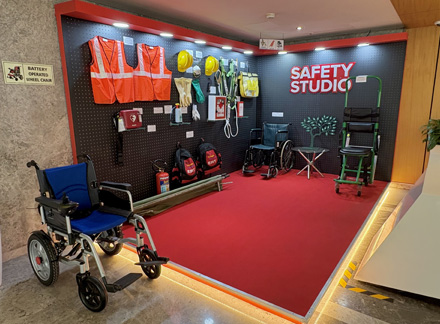
Safety Equipment Studio
Mumbai – Mensa Facility
A dedicated Safety Equipment Studio was established to enhance hands-on safety awareness and practical understanding among employees, contractors, and visitors. The studio provides experiential learning through live demonstrations of PPE, fire extinguishers, spill kits, harnesses, and evacuation equipment, improving emergency preparedness and correct equipment usage. This initiative strengthens compliance with occupational health and safety standards.
Impact
- Hands-on safety awareness
- Improved emergency preparedness
ERT Kits
Noida Facility
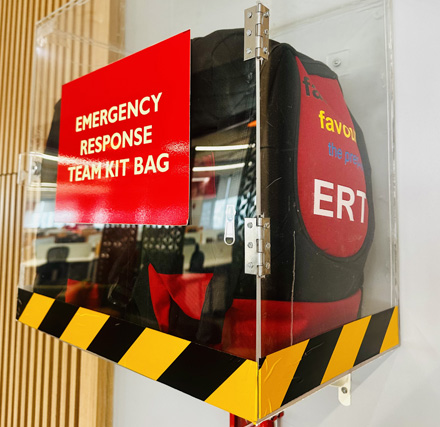
As part of our commitment to outcreating safer and more resilient workplaces, we have initiated procurement and implementation of Emergency Response Team (ERT) kits at locations pan-India to ensure rapid and effective response during emergencies. Strategically deployed across facilities, these kits provide immediate access to essential PPE, including goggles, ERT jackets, helmets with safety torches, smoke masks, gloves, and whistles, enabling trained responders to act swiftly and safely. Each ERT kit is securely housed in transparent, lockable acrylic enclosures with break-glass key access, supported by clear signage, CCTV monitoring (where feasible), and routine inspections to ensure readiness at all times. This initiative reinforces LTM’s proactive Health & Safety culture, regulatory compliance, and commitment to operational resilience across its facilities.
Impact
- Strengthens emergency preparedness
- Enhances employee and visitor safety
Green Buildings
At LTM, our Green Building framework reflects our commitment to creating sustainable workplaces that outperform expectations — for our people, our business, and the environment. We design and operate energy‑efficient, resource‑conscious, and people‑centric facilities, with all locations either LEED‑certified or in the process of certification. Our facilities are planned on eco‑design principles, with optimized space utilization, and transit‑oriented access, enhancing employee well‑being while minimizing environmental impact.
Energy performance is strengthened through high‑efficiency HVAC systems, reduced lighting power density, smart metering, BMS‑enabled controls, and renewable energy integration, delivering lower carbon footprint and operating costs. Water stewardship is advanced through high‑efficiency fixtures, reuse systems, and continuous monitoring, while responsible material sourcing and waste management support circular economy practices. Enhanced indoor air quality, ergonomics, daylighting, and wellness infrastructure further promote occupant health and productivity. These initiatives collectively reinforce LTM’s ESG leadership, regulatory compliance, and long‑term business resilience.
INR 1,840.33 Million
Green Building investment in FY26