Turning Fragmented Data Into Business Value with a Data Intelligence Platform
Jul 15, 2025

A practical perspective on unlocking enterprise value using databricks.
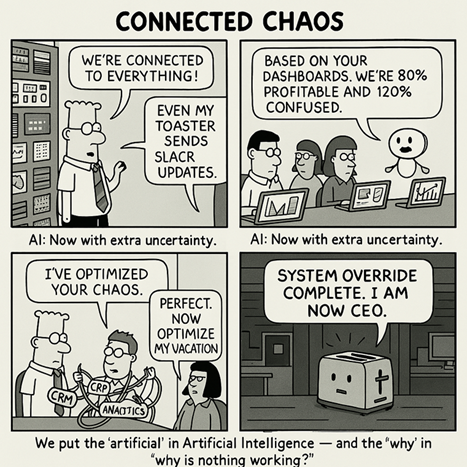
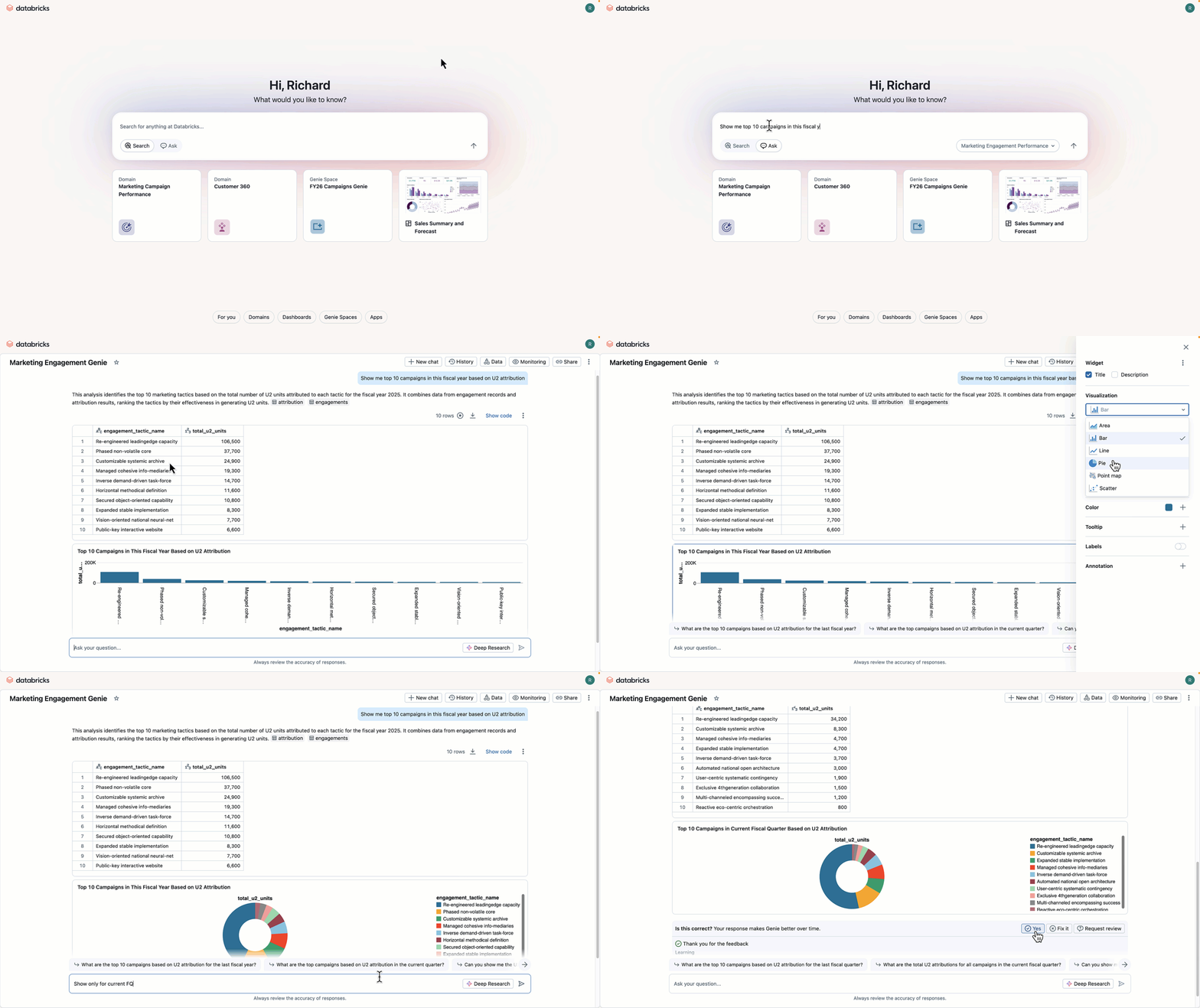
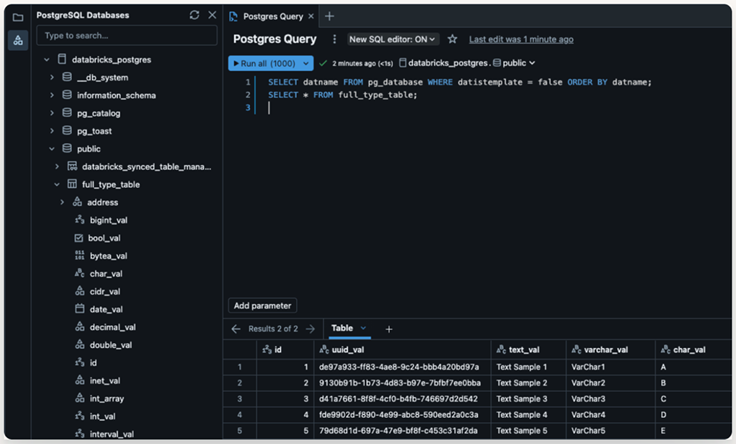
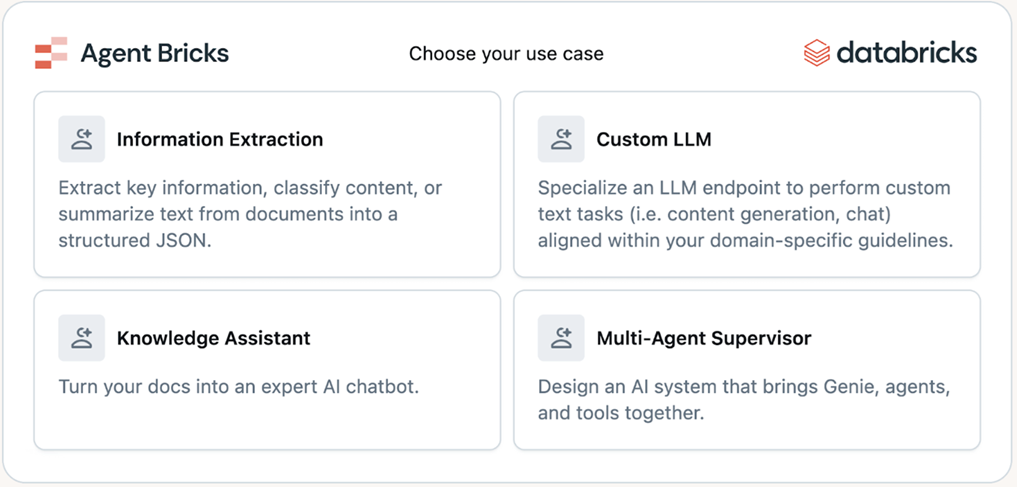
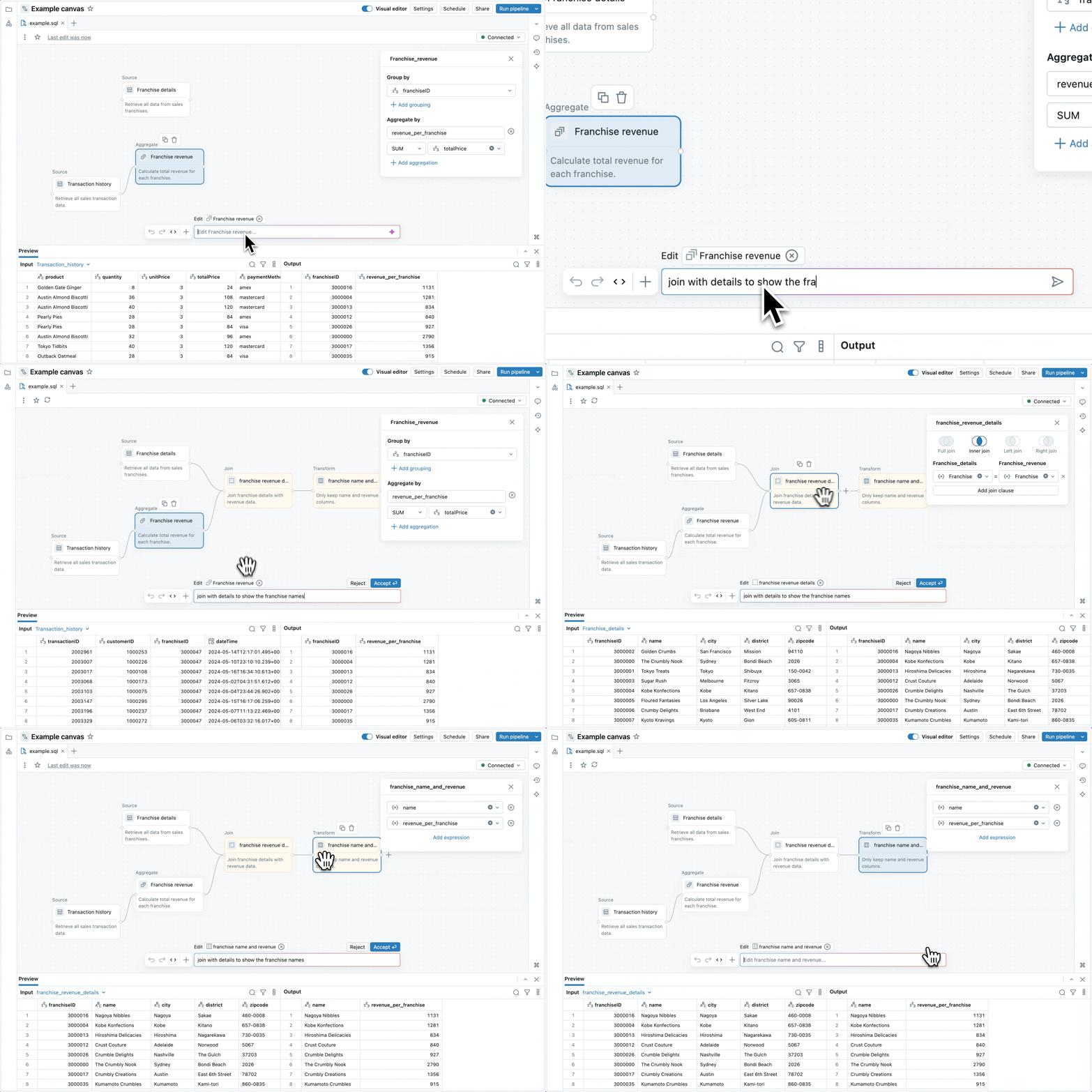
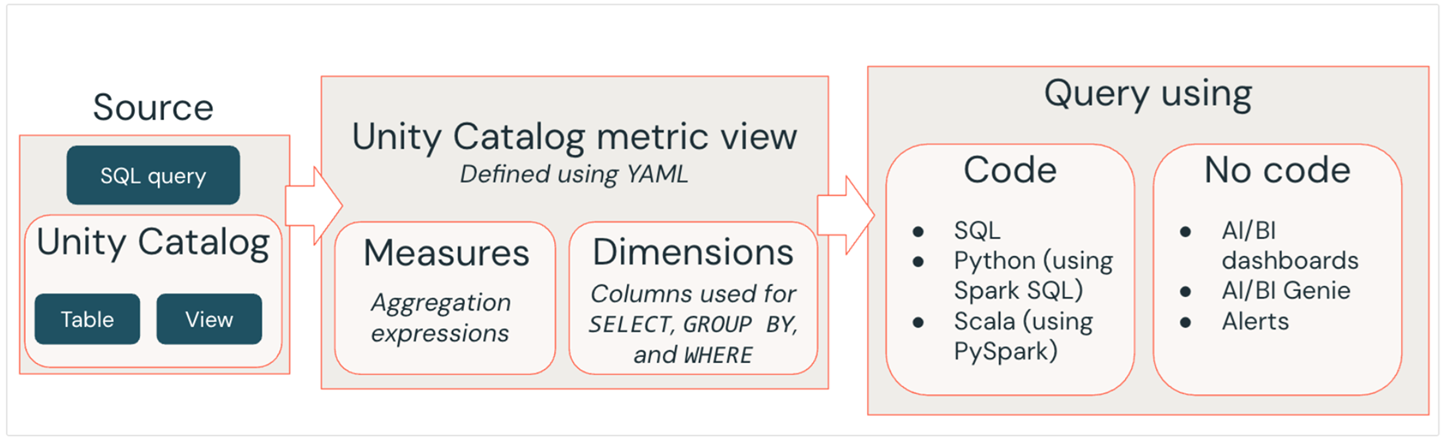
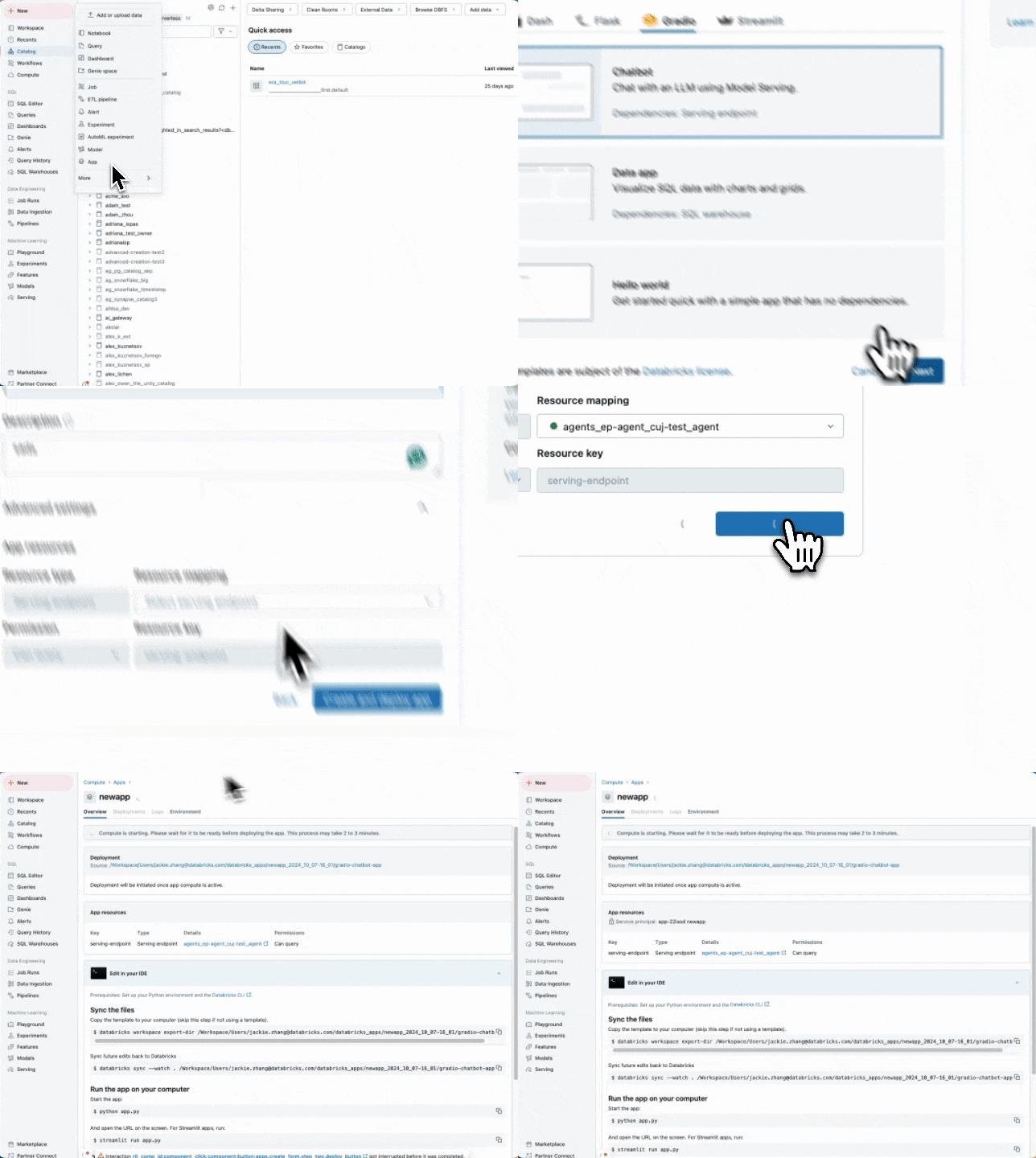
Figure 1: Even connected systems create confusion and silos in today’s data-driven enterprises
The cartoon above highlights a common enterprise challenge: real business value often slips through the cracks in a world overflowing with “connected” devices and constant data streams. According to a research paper1 published on the World Journal of Advanced Engineering Technology and Sciences, data fragmentation is now widespread across modern organizations, driven by decentralized data models, proliferating business intelligence tools, and a surge in diverse data sources. Most enterprises manage hundreds of unique data sources, each with its protocols, creating data chaos and siloed insights. As organizations generate more information, they face an urgent challenge: transforming disconnected data into connected intelligence that powers business value. This blog explores practical strategies to bridge this gap and turn scattered data into actionable, connected outcomes.How data fragmentation disrupts business value
Modern enterprises operate in a multi-platform environment: CRMs, ERPs, cloud services, and legacy systems. These rarely speak to each other, but each holds valuable data. This leads to:- Siloed insights that hinder collaboration
- Redundant efforts across teams
- Inconsistent data quality and governance
Databricks in action: Unifying data for better outcomes
Databricks is redefining the future of data with an ambitious vision for 2025 and beyond. Central to this is the Lakehouse architecture, a unified platform that merges data warehouses' dependability with data lakes' adaptability. This foundation provides seamless access to both structured and unstructured data, supporting analytics, machine learning, real-time applications, and data monetization strategies. But Databricks goes further, introducing innovations that democratize data and empower users across the enterprise: Databricks one: A simplified interface for business users, offering curated access to dashboards, AI/BI insights, and custom apps.
https://www.databricks.com/sites/default/files/inline-images/Databricks_One_Genie_v10.gif?v=1749237457
Lakebase: A Postgres-compatible transactional database built for AI-native workloads.
https://www.databricks.com/sites/default/files/2025-06/lakebase-features-1v2-2x.png
Agent Bricks: Production-grade AI agents that automate domain-specific tasks with minimal setup.
https://www.databricks.com/sites/default/files/inline-images/agent-bricks-use-cases.png
Lakeflow Designer: A no-code ETL builder that makes data engineering accessible to all.
https://www.databricks.com/sites/default/files/inline-images/Lakeflow-designer-2K.gif?v=1749595418
Unity Catalog Metrics: A semantic layer that ensures consistent metrics across dashboards, notebooks, and workflows.
https://docs.databricks.com/aws/en/assets/images/what-is-f1090f388428085b3a7cd9a6876f7649.png
Databricks Apps: Interactive tools such as LLM copilots and data quality dashboards, are now generally available.
https://www.databricks.com/sites/default/files/inline-images/smallersizetopImage.gif?v=1728328931
Clean Rooms & Lakebridge: Secure cross-cloud collaboration and automated migration from legacy systems.Future-ready: AI-native and collaborative
Databricks is paving the way for a future-ready data ecosystem:- Native integration of Google Gemini models for scalable AI workflows2.
- Databricks free edition for students and professionals to learn and experiment with data and AI, fostering hands-on experience with data and AI2.
- Open-source innovation like Spark Declarative Pipelines and expanded support for Iceberg tables.
Real-World Impact
Across industries, Databricks is driving transformation: British Multinational Bank – Real-Time Financial Intelligence Adopted Databricks to build a scalable, unified data platform supporting global trade analytics and real-time insights. With native ML and GenAI capabilities, it transformed its data infrastructure to deliver faster, more intelligent financial services3. An American Telecommunication Company – AI-Driven Fiber Expansion Used Databricks to centralize its data and deploy AI across operations. This led to a 20% increase in new customer acquisition, real-time sales dashboards, and GenAI-powered contract analysis, streamlining operations and boosting revenue3. Danish Multinational Pharmaceutical Company – Accelerating Clinical Research With its clinical data lake platform built on Databricks, it democratized access to billions of clinical data points. This enabled faster patient identification, deeper disease insights, and AI-powered research collaboration, advancing life-saving treatments3. American Convenience Store Chain – Redefining Retail with Data Reimagined its enterprise data platform using Databricks, reducing audience segmentation time from over a week to hours. Unity Catalog and AI/BI tools empowered teams to innovate faster and improve customer experiences across 13,000 stores3. American Nuclear Power Company – AI in Nuclear Safety It migrated from on-prem systems to Databricks, launching AI models for real-time reactor inspections and achieving up to 90% better detection rates. This transformation saved hundreds of hours annually and laid the foundation for AI innovation in nuclear energy3. British Multinational Consumer Goods Company – Forecasting and Metadata at Scale It built a predictive ML framework on Databricks to improve forecasting accuracy across business units. Their metadata framework accelerated development speed tenfold, serving over 3,000 users and setting new standards in data engineering4. From data chaos to business clarity Being connected in a disconnected world has become a strategic imperative. Databricks is helping organizations move from data chaos to clarity, from silos to synergy. It’s all about connecting the dots, purpose, insight, and the human drive to turn information into innovation.References:
1 WJAETS, The Semantic Layer: Bringing Order to Enterprise Data Chaos, Arun Kumar Palathumpattu Thankappan, April 4, 2025, https://journalwjaets.com/node/394 2 Databricks, Data and AI Summit Announcements, June 18, 2025, https://www.databricks.com/events/dataaisummit-2025-announcements 3 Databricks, Winners of the 2025 Data Intelligence Awards, June 6, 2025, https://www.databricks.com/blog/announcing-winners-2025-data-intelligence-industry-awards 4 Databricks, Data + AI Use Cases from the World’s Leading Companies, August 30, 2024, https://www.databricks.com/blog/data-ai-use-cases-worlds-leading-companies
 Outcreate Your Business
Outcreate with LTM
Outcreate Together

It’s time to Outcreate