Trust in Agentic AI: Building Ethical and Responsible Autonomous Systems
AI is no longer just responding. It is beginning to act, decide, and execute. That shift changes everything. I see agentic AI moving quickly from controlled experiments into real-world systems that influence outcomes at scale. Unlike traditional models that simply respond to prompts, these systems plan, reason, and execute multi-step actions with minimal human input. As that autonomy increases, one question becomes unavoidable: can we trust them?
Trust in agentic AI goes beyond accuracy. It is about confidence that systems will act in the user’s best interest, operate safely, and anticipate risks before they escalate. This is where many organizations pause, because trust is not something that emerges on its own. It has to be designed deliberately from the start.
In my view, trust becomes the foundation that allows AI to move from experimentation to enterprise adoption. Without it, even the most advanced systems remain underutilized.
Why Trust in Agentic AI Is a Live Issue
Agentic AI is already being deployed across domains like customer support, software development, finance, and healthcare. These systems operate with increasing independence, chaining tools together and making decisions without constant human oversight.
That autonomy introduces a different category of risk. Failures are no longer isolated events. A single flawed decision can cascade across multiple actions, amplifying its impact.
We are already seeing early signals of this. Hallucinations, bias, data leakage, and prompt injection attacks highlight how quickly things can go wrong when systems act autonomously. As a result, trust has moved from a theoretical concern to a practical barrier.
Organizations are now asking more grounded questions, like:
- Can we explain decisions clearly?
- Can we audit behavior when needed?
- Can we intervene before something goes wrong?
Without clear answers, even the most capable systems struggle to move beyond controlled experiments. This is where trust begins to act as a bridge between what AI capable of and what organizations are willing to operationalize.
How Trust Is Built in Agentic Systems
Trust is not a single feature that can be added later. It emerges from a set of aligned principles and controls working together.
Ethical AI provides the intent by focusing on fairness, privacy, and human dignity. Responsible AI translates that intent into execution through governance, accountability, and security. When these come together, they create a layered system where trust is built step by step.
To make this practical, I look at trust as a set of foundational layers that shape how agentic systems behave in real-world environments.
The following are some layers to the system for making it trustworthy:
AI Guardrails
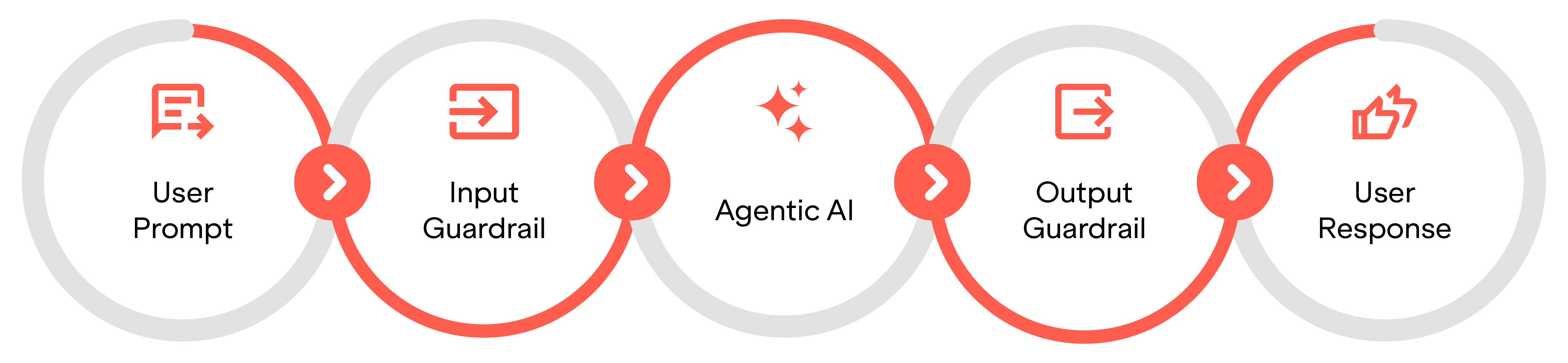
Guardrails act as the first line of defense. They define the boundaries that keep the system on track.
They sit between user inputs and system actions, ensuring that both inputs and outputs remain within safe, ethical, and legal limits. This becomes critical in preventing common failure modes such as prompt injection attacks, hallucinated outputs, biased responses, and privacy violations.
Without guardrails, autonomy can quickly become unpredictability. With them, systems remain aligned even as complexity increases.
Role-Based Access Control (RBAC)
Not every user or system component should have the same level of access. This is where role-based access control becomes essential.
By clearly defining who can do what, RBAC reduces misuse and ensures that sensitive operations are only triggered by the right actors. In agentic systems, where actions can propagate quickly, this level of control is not optional. It is foundational.

Human Oversight
As agentic AI systems become more capable, there is a natural temptation to reduce human involvement. In practice, that is where risk begins to compound.
Human oversight ensures that autonomy does not drift away from intent. It creates a layer where critical decisions can still be reviewed, validated, or overridden when necessary.
I see this as a design strength. It ensures accountability remains grounded, even as systems scale.

Explainable AI (XAI)
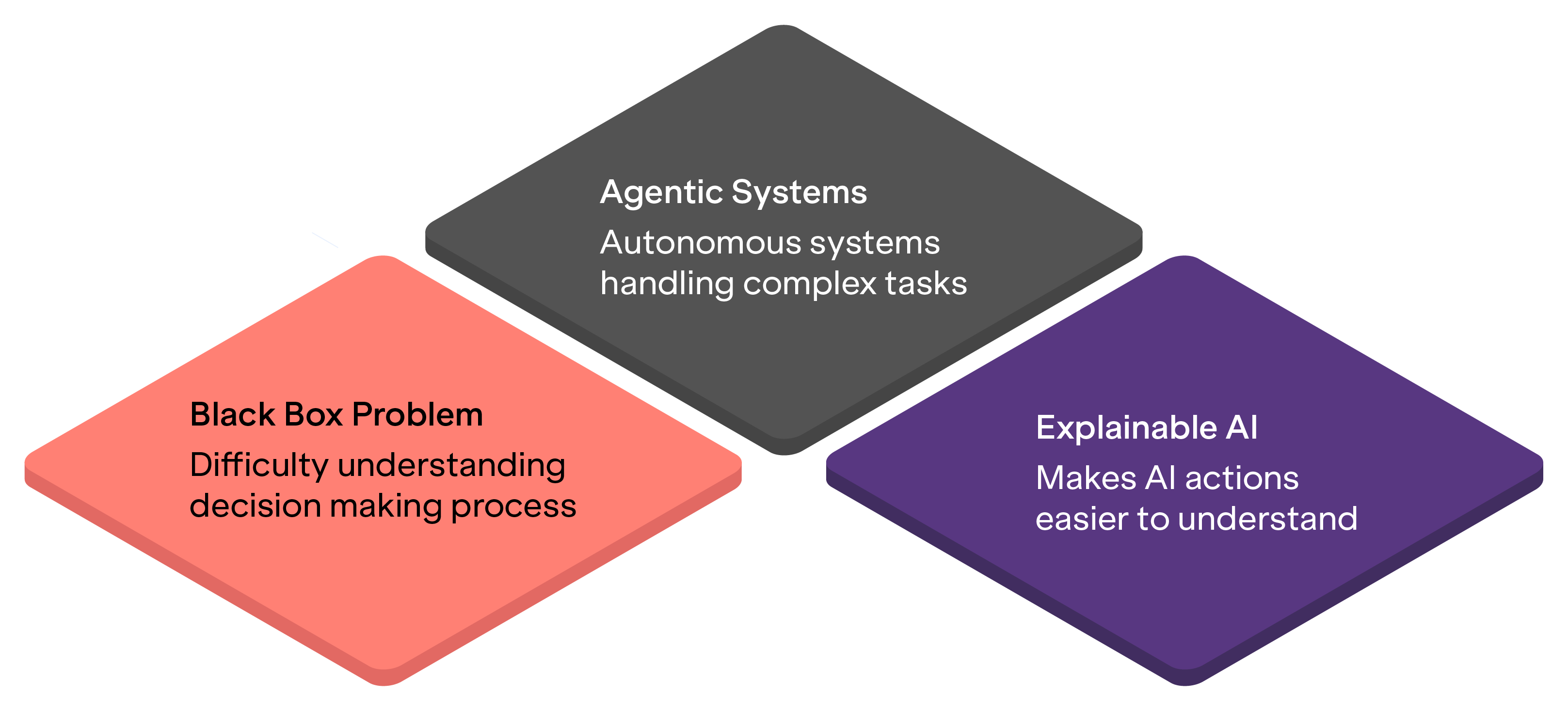
As agentic systems take on more responsibility, the question shifts from what the system did to why it did it.
Explainable AI (XAI) addresses this gap by turning decisions into narratives that humans can follow. Further, explainability transforms AI from a black box into a system that can be questioned, audited, and improved. It builds trust not by asking users to believe in the system, by giving them reasons to.
Transparent AI
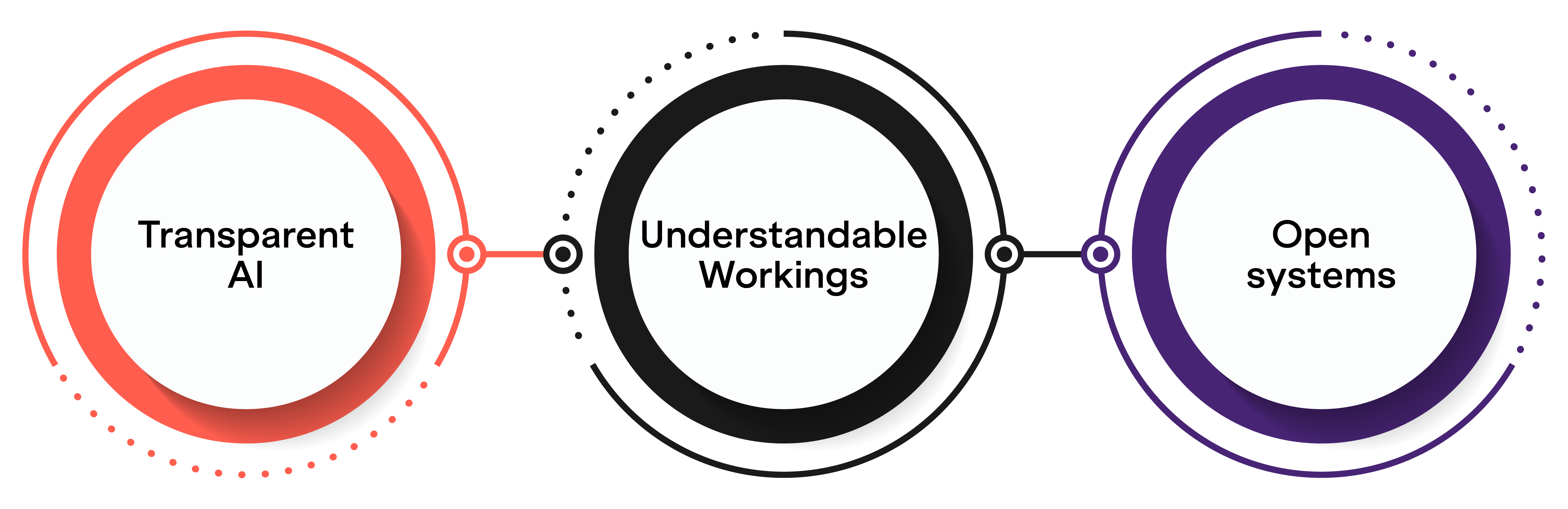
Explainability answers why a decision was made. Transparency goes further by clarifying how the system is designed and what its limitations are.
Transparent AI ensures that users understand not just what the system can do, but where it might fail. This prevents blind reliance and encourages informed usage.
In my experience, this is what transforms users from passive observers into active participants in AI-driven decisions.
Zero Trust Approach
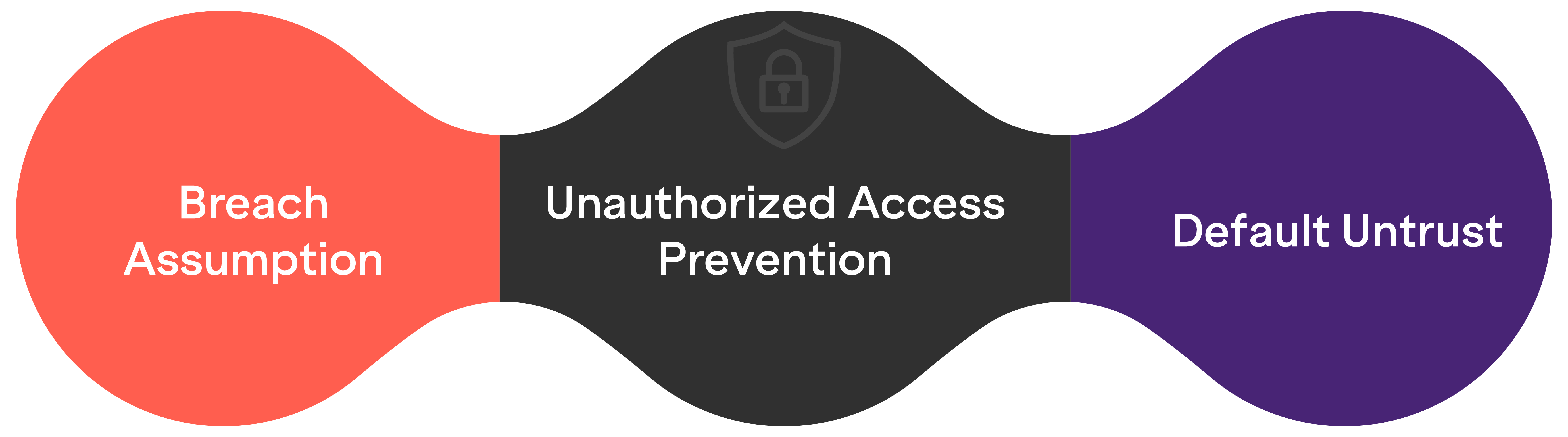
Agentic AI systems do not operate in controlled environments. They interact with users, external tools, APIs, and dynamic data sources. In such an open ecosystem, assuming safety by default is a risk.
This is where a Zero Trust approach becomes critical. The principle is simple: trust nothing, verify everything. Every input, action, and interaction is evaluated before it is allowed to proceed.
Barriers and What We Are Learning
Despite progress, building trust in agentic AI is not without challenges.
Complexity is one of the biggest barriers. These systems are inherently harder to understand, test, and govern compared to traditional AI models. At the same time, organizations often prioritize speed over governance, especially in early deployments.
There is also the risk of overconfidence. When systems perform well most of the time, it becomes easy to overlook rare but high-impact failures. However, there is a clear pattern emerging. Organizations that embed guardrails, oversight, and transparency from the beginning see higher adoption and fewer disruptions. Systems designed with trust in mind scale more effectively than those retrofitted later.
This reinforces a simple idea. Trust does not slow innovation. It enables it.
Conclusion
As agentic AI becomes more embedded in real-world decisions, trust moves from being a consideration to becoming the foundation.
Building trust is not a one-time action. It requires continuous alignment across design, development, deployment, and oversight. This is also where a broader shift is taking place. Organizations are beginning to bring human judgment and intelligent systems together in more intentional ways. That combination is what allows them to move beyond simply adopting AI to truly Outcreate with it.
In essence, trustworthy agentic AI is not just a technical achievement. It is a societal obligation that defines how safely and effectively these systems can shape the future.
References
1. What are AI guardrails?, Tom Krantz, Alexandra Jonker, IBM: https://www.ibm.com/think/topics/ai-guardrails
2. What is role-based access control (RBAC)?, Gregg Lindemulder, Matt Kosinski, IBM: https://www.ibm.com/think/topics/rbac
3. Explainable Artificial Intelligence(XAI), Geeksforgeeks, January 25, 2026: https://www.geeksforgeeks.org/artificial-intelligence/explainable-artificial-intelligencexai/
4. What is AI transparency?, Alexandra Jonker , Alice Gomstyn , Amanda McGrath, IBM: https://www.ibm.com/think/topics/ai-transparency
5. Zero Trust Security Model, Geeksforgeeks, July 23, 2025: https://www.geeksforgeeks.org/ethical-hacking/zero-security-model/
 Outcreate Your Business
Outcreate with LTM
Outcreate Together

It’s time to Outcreate