From Database Sprawl to Strategic Consolidation: How Oracle AI Database@Azure Helps Existing Oracle Customers Cut Costs and Simplify Operations


Let me start with something I’ve seen play out far too often. For years, the industry followed a simple rule: one application, one database. It felt safe. It gave teams a sense of control and for a while it worked. But as organizations grow, that model eventually begins to crack.
What starts as a well-intentional setup gradually turns into a database sprawl, a quiet budget killer hiding in plain sight. Isolated servers multiply, licenses fragment, hardware sits underused, and DBA teams spend more time managing systems than delivering value. Before long, what once felt like control starts to feel like constraint.
Most Oracle customers I speak with are actively looking for a way out of this cycle. They know they need consolidation to regain control of their workloads and rein in licensing costs, but they cannot afford to rip out systems they have spent a decade tuning.
This is where Oracle AI Database@Azure fits in. It is not just a new place to host data; it’s an architectural shift that allows Oracle services to run natively within the Microsoft Azure ecosystem.
The Problem Efficiency That Exists Only on Paper
In a typical Oracle estate, databases operate like islands. Each application runs on its own hardware, with dedicated storage, backup schedules, and patching cycles. On paper, it looks organized. In reality, it is anything but this:
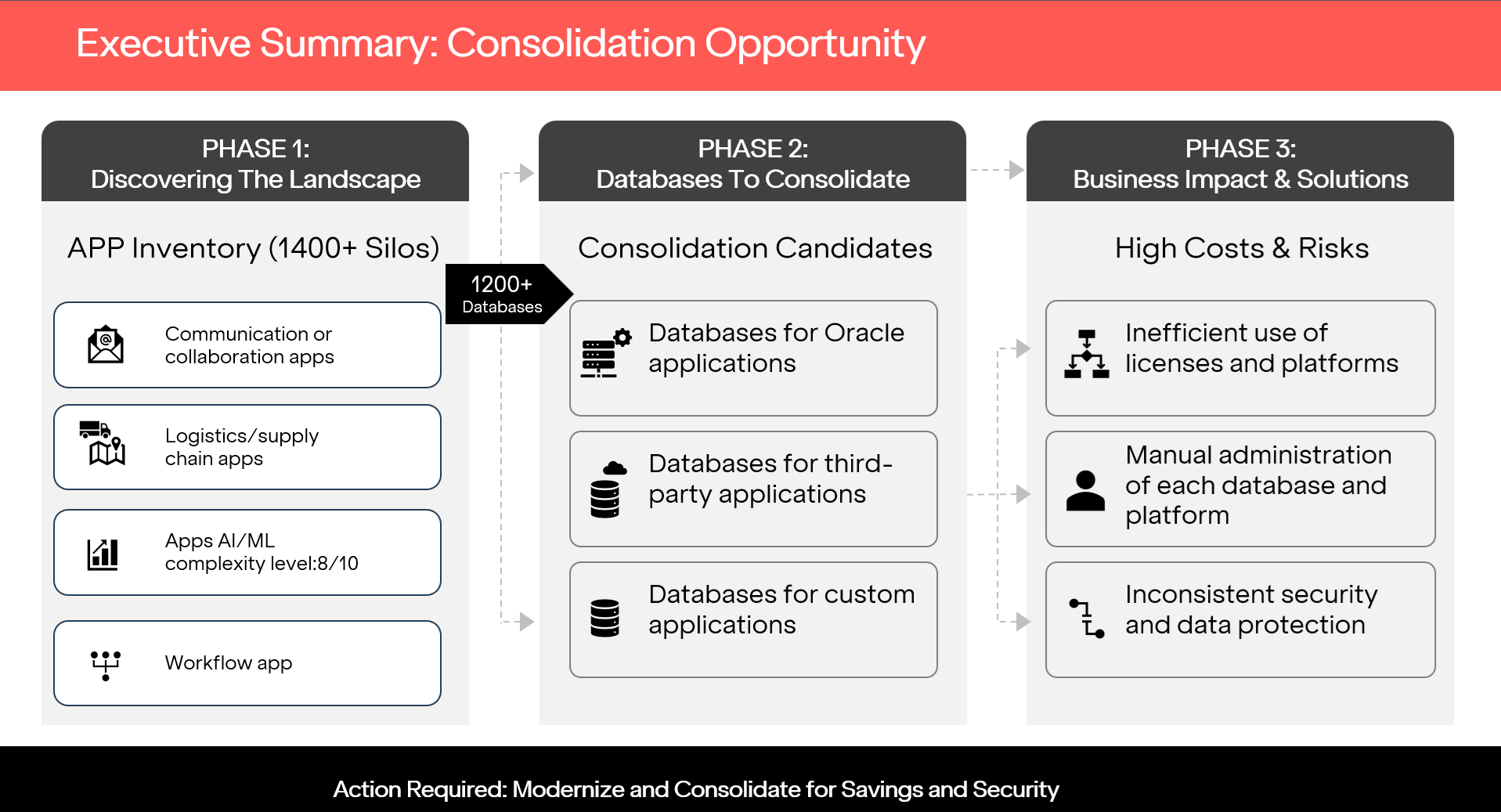
Figure 1: Executive Summary: Consolidation Opportunity
Most environments are sized for worst-case scenarios. CPU is provisioned for peak usage that might occur once a month. Storage is allocated for future growth that may or may not happen. The result? Organizations pay for 100% of capacity while using a fraction of it. Multiply that across dozens, or even hundreds of databases, and the inefficiency becomes impossible to ignore.
This is where the limitations of isolated architecture become clear. A single application might run on a 10-core setup, backed by tens of terabytes of storage, with licensing sized conservatively just in case. The actual workload rarely justifies it.
And beyond cost, there is operational drag. Managing, patching, and monitoring dozens of independent systems is not just inefficient; it is unsustainable.
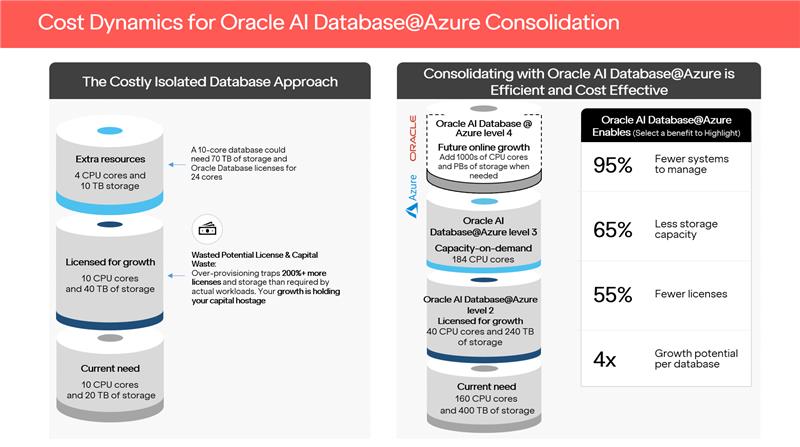
Figure 2: Comparison of isolated database with consolidated Exadata model
Why Consolidation Changes the Equation
This is where strategic database consolidation shifts the conversation. Instead of treating each database as a standalone unit, consolidation brings workloads into a shared resource pool. Different applications have different usage patterns; what peaks in the morning for one might peak at night for another. When combined, these workloads balance each other out.
In my experience, this is where the licensing economics start to make sense.
You stop overprovisioning for isolated peaks and start optimizing for collective demand. Licensing becomes more efficient because CPU is utilized and not sitting idle as a safety net.
This is also where meaningful Oracle Exadata cost reduction begins to take shape. You are not just reducing infrastructure; you are aligning capacity with reality.
Using Exadata as the Foundation
Of course, consolidation at scale is not just about pooling resources. Generic infrastructure often introduces noisy neighbor issues, where one workload impacts the performance of another. That is where Exadata stands apart.
Exadata is purpose-built for high-density consolidation. With smart storage and I/O offloading, it processes queries closer to the data, delivering what I like to call isolation without fragmentation. You get the performance of dedicated systems without the inefficiency of running them separately.
And the results are hard to ignore:
Teams often manage 90-95% fewer systems after consolidation
Storage requirements drop by over 60%, as over-provisioning is eliminated
Licensing footprints shrink by half as the CPU utilization improves
This is not just short-term savings. It creates long-term headroom. Growth is absorbed into existing capacity, reducing the need for constant reinvestment.
Making It Practical: Oracle AI Database@Azure
This is where Oracle AI Database@Azure becomes more than a concept; it becomes executable.
By bringing Exadata infrastructure directly into Azure data centers, the long-standing challenges of hybrid architectures, especially latency are effectively removed. Your application and database layers operate close proximity, enabling seamless interaction.
From a practical standpoint, this delivers:
Low latency: Your database and Azure-based application tier are effectively in the same room
The learning curve: You manage identity and networking through the Azure portal. You don’t need to retrain your team on a whole new set of security tools
License mobility: You can bring your existing Oracle licenses with you, which is usually the biggest hurdle in any cloud migration
Together, these capabilities make consolidation not only achievable but scalable, unlocking sustained Oracle Exadata cost reduction without requiring a complete re-platforming effort.
More Than Just Cost Savings
While cost is often where the conversation starts, the real impact goes much deeper.
When you move to a consolidated environment, the day-to-day experience changes in very tangible ways. Instead of juggling dozens of systems, patch cycles, and monitoring dashboards, teams work with a unified platform. That alone reduces operational overhead significantly. At the same time, your security posture improves because the attack surface is smaller, risks are easier to manage, and governance becomes far more consistent.
But what matters even more is what this enables next.
As organizations start exploring capabilities like those in Oracle Database 23ai, vector search, AI-driven workloads, and more advanced data processing, they quickly realize these require scale, performance, and architectural cohesion. A fragmented database estate simply cannot keep up.
This is where strategic database consolidation stops being just an efficiency play and starts becoming a true enabler for what comes next.
Conclusion
The goal here is not to rip and replace everything you’ve built. It’s to modernize the foundation. Oracle AI Database@Azure allows you to retain the strengths of Oracle that work, its reliability, performance, and maturity while gaining the flexibility of the Azure ecosystem.
By moving away from database sprawl and toward a consolidated model, you stop spending time managing infrastructure and start focusing on the data itself.
Because in the end, that is where real value lives.
 Outcreate Your Business
Outcreate with LTM
Outcreate Together

It’s time to Outcreate